Fitbit Edge: Enhanced Fitness Tracking with Customization and Precision
Published Oct 12, 2026347 readers
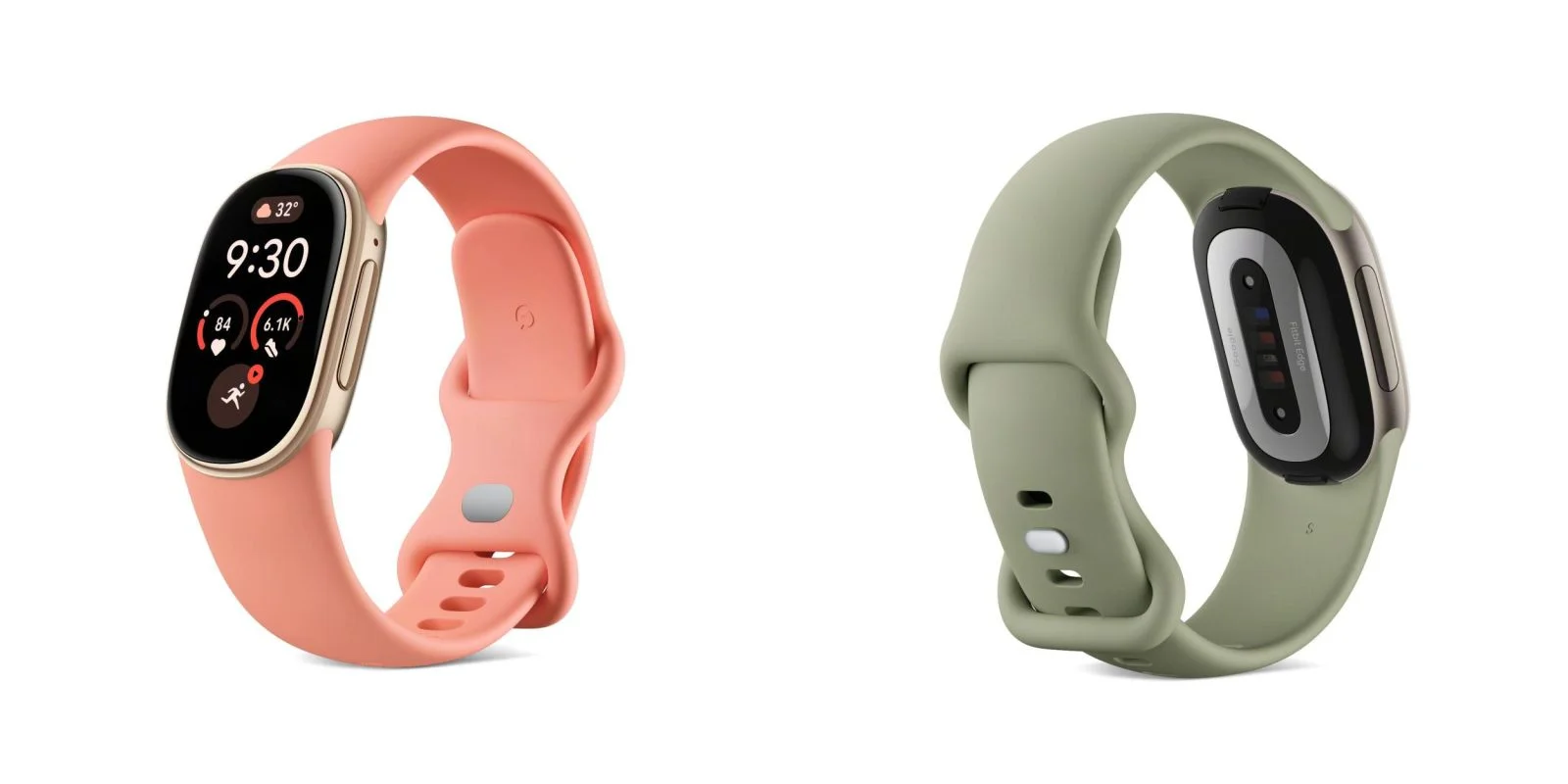
The Fitbit Edge features a larger AMOLED display and precise sensors, offering customizable designs and improved functionality for fitness enthusiasts.
Introducing the Fitbit Edge: A Significant Leap in Fitness Tracking
Google is ramping up its fitness tracking offerings with the latest device, the Fitbit Edge, which follows closely on the heels of the Fitbit Air that debuted in May. While the Edge might seem like just another incremental step forward, it goes far beyond superficial upgrades. It features key enhancements that warrant a closer examination, particularly how these changes impact user experience and engagement with health data.
One of the standout features of the Fitbit Edge is its expansive, pill-shaped AMOLED display. This screen boasts a remarkable 46% increase in real estate compared to the previous Charge 6 model, making it significantly more user-friendly. Users who appreciate a visual interaction with their health data will find this upgrade adds considerable value, as it allows for easier navigation and information processing. The device’s design includes a precision-crafted aluminum frame measuring just 11.5mm thick, underscoring its durability. Within this sleek exterior, advanced technologies like a dedicated altimeter and enhanced GPS capabilities are housed—now boasting 40% greater accuracy than its predecessor. This level of precision is particularly beneficial for athletes and outdoor enthusiasts tracking elevation changes during runs or hikes.
Enhanced Functionality and Design
On the right-hand side of the Fitbit Edge, a prominent tactile button facilitates easy navigation, whether you’re cycling through metrics or controlling music while swimming. The importance of intuitive controls can't be overstated; it enhances usability for users who are often in motion. Rated with an impressive IP68 and 5ATM for water and dust resistance, this device is built to withstand tough workouts without compromising functionality, which is an essential requirement for fitness trackers today.
Underneath the flashy exterior, the Edge is equipped with a suite of sensors: accelerometer, altimeter, ambient light sensor, and a more sophisticated heart rate monitor, among others. These sensors allow for a comprehensive analysis of health metrics. It even includes features like ECG and SpO2 monitoring, which push its functionality well beyond that of typical fitness trackers. This is not just a health gadget; it’s becoming a mini health hub.
Charging logistics mirror those of the Fitbit Air, utilizing the same magnetic USB-C charger but with clever enhancements. In today’s fast-paced lifestyle, just five minutes of charging offers a full day of usage, while a complete charge takes around 90 minutes. The Edge’s battery life can extend to a week on basic settings. However, activating the always-on display does cut this to approximately two days. Notably, this model allows users to replace the battery themselves—a feature that’s becoming increasingly rare in modern wearables. This sustainability aspect is something environmentally conscious users will appreciate.
Customization and Operational Flexibility
Fitbit Edge users will find customization options extend to four attractive color combinations, including Matte Black and Polished Silver. Even more noteworthy are the various interchangeable bands that accompany these options. The new swap mechanism offers additional styles—ranging from a $40 Active Sport band to the premium $150 Metal Links band—allowing users to tailor their device to personal tastes at various price points. This flexibility not only appeals to aesthetic preferences but also reinforces the device's adaptability to different environments and occasions.
Running a Fitbit-custom operating system similar to the Air, the Edge is designed to accommodate both Android and iOS. The larger display introduces a more engaging interface reminiscent of the Pixel Watch 5, and Google has done well to equip the device with numerous customizable watch face options. The convenience of visible metrics through swipe gestures adds to the intuitive design, making information easily accessible.
What’s particularly impressive is that the Fitbit Edge supports over 50 different workout types, autonomously detecting activities through AI-driven features that can adapt based on your personal habits. Connectivity to gym equipment is another enhancing feature, which can make workouts more interactive and integrated. If you’re working in this space, the approach taken by Fitbit could set a new standard for how fitness trackers operate with external devices.
Pricing and Availability
The Fitbit Edge comes in with an attractive price point of $180, which positions it competitively within the fitness tracker market. Pre-orders are currently open, with shipping starting soon. For basketball enthusiasts, a special Stephen Curry edition is available for $220, featuring a uniquely designed band that appeals to fans of the sport.
But here's the thing: if you’re contemplating integrating a Fitbit Edge into your wellness routine, it promises a more holistic and connected experience than ever before. This isn’t merely an upgraded version of its predecessors; rather, what the Fitbit Edge brings to the table could reshape how users engage with their fitness journeys. Considering the plethora of features available, it seems Fitbit is serious about remaining a significant player in the fitness tracker market.
Implications and Future Outlook
The launch of the Fitbit Edge is important not just for its individual features, but for what it signifies about the fitness tracking industry as a whole. As more consumers shift towards health-conscious living, the demand for multifaceted devices that go beyond simple step counting is steadily increasing.
This trend is likely to push competitors to innovate more aggressively, furthering the evolution of wearables. The Edge’s comprehensive tracking capabilities might pressure other brands to enhance their offerings in areas like AI integration and customizable designs. This is more significant than it looks; as competition heats up, consumers stand to benefit from better devices with more features at more competitive prices.
While it's clear that the Fitbit Edge excels in many aspects, a critical eye must remain on its longevity in the market. As companies like Apple and Garmin continue to refine their own offerings, tomorrow's wearables will likely stretch well into realms of health analytics and lifestyle integration. Whether the Fitbit Edge can maintain its momentum—and how competitors respond—will shape not only its future but potentially the broader landscape of fitness technology as well.
Discussion
Sign in to join the discussion.