Microsoft's new Surface Laptop Ultra features a magnetic USB-C port, enhancing user experience and potentially reshaping future laptop designs.
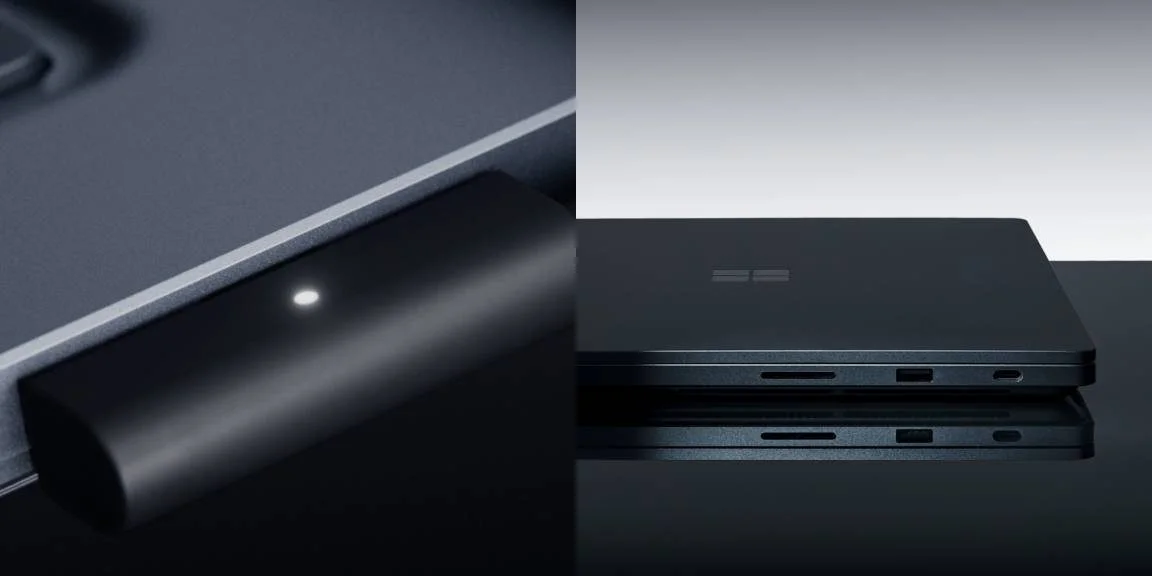
Magnetic USB-C Charging on Microsoft's Latest Laptop
Microsoft has unveiled the Surface Laptop Ultra, showcasing its striking magnetic USB-C charging port that has industry watchers excited. This port isn't just an accessory; it's a standout feature that could redefine charging tech in laptops. In an increasingly mobile world, the convenience of charging technology has never been more important. Consumers consistently expect devices that not only perform well but also offer an intuitive user experience. With this announcement, Microsoft seems to be stepping into that space with a fresh take on an existing standard.
What Makes Magnetic Connect Special?
Dubbed "Magnetic Connect," this charging port is claimed to be the first of its kind, blending standard USB-C functionality with magnetic attachment capabilities. While it operates like a typical USB-C port with most cables, the included charger features magnets that draw it into place, reminiscent of Apple's MagSafe design. The nostalgia for MagSafe isn’t a coincidence; it highlights a consumer desire for charging solutions that minimize hassle. Users know all too well the struggles of wrestling with cables, especially in crowded spaces. This innovation could solve that irritating issue while also creating a visually appealing aesthetic for the laptop.
The concept of magnetic connections has roots in multiple gadgets and accessories, stretching back years. Most notably, the magnetic charging ports of older MacBooks have left an impression on users. This design philosophy speaks to a broader trend in tech: the balancing act between simplicity and functionality. Magnetic Connect aims not just to provide a seamless connection but also to add an element of security; it reduces the chance of accidentally yanking the laptop off a table while charging, a common concern among users. In this sense, Microsoft is looking to address both practical and emotional needs, which is a smart move.
The Mechanics Behind the Magnet
The engineering behind this innovation involves powerful magnets that ensure a secure connection while allowing for easy attachment. However, the magnetic design means that other USB-C devices won’t connect as securely without the magnetic charger, as the tapered edges of the port facilitate the magnetic alignment. This is where some skepticism arises; if you're working in this space, the integration of proprietary technology might alienate users who are invested in the broader USB-C ecosystem. Manufacturers and users alike have long championed USB-C for its versatility across platforms. Are we really ready for yet another standard? That’s a question only time will answer.
Potential Impact Beyond the Surface Laptop Ultra
Microsoft aims for this magnetic technology to gain traction across the industry, and many enthusiasts share that hope. While its size limits use in smartphones, there’s optimism that magnetic connections could become standard in future laptops, diversifying the market beyond models priced at about $2,600. The potential expansion of this technology could lead to a shift in how manufacturers design charging ports altogether. It’s easy to see a world where future devices might adopt similar magnetic connectors, pushing the industry toward uniformity and ease of use. This kind of evolution could either benefit consumers by enhancing convenience or complicate things by introducing yet another charging standard.
(And this is the part most people overlook) — while pre-orders for the Surface Laptop Ultra are currently available, the real test will come with user feedback. Will customers embrace the magnetic connect in their everyday lives? Or will they find it a cumbersome detour from the traditional USB-C method? User reception will likely dictate how quickly, or widely, this charging innovation spreads through the market.
The Verge provides a closer look at the technology in action through an informative video. This might give potential customers a clearer picture of whether this feature would improve their daily computing tasks.
Implications and Future Outlook
The introduction of magnetic USB-C charging could signify a pivotal moment for laptop design choices. Manufacturers constantly seek features that differentiate their products, and Magnetic Connect might fit that bill nicely. The extent of its impact on adoption rates for future laptops remains to be seen. However, the success of this initiative could emulate the positive reception of magnetic connectors in other devices, leading to powerful lobbies for uniform standards in the charging space.
That said, the industry often reacts slowly to change, particularly when entrenched standards like USB-C have become the default for many devices. The challenge for Microsoft will be to convince both consumers and manufacturers that the benefits of this new magnetic approach outweigh the inconveniences of adapting to a new system. If it can achieve that, we might just be looking at a new trend in charging technology — or simply a niche feature that won’t penetrate beyond a few select models.
Have thoughts on this new feature? Share your opinion!
Discussion
Sign in to join the discussion.