Samsung has significantly reduced its Galaxy smartphone production forecasts by 30%, grappling with soaring memory prices and profitability challenges.
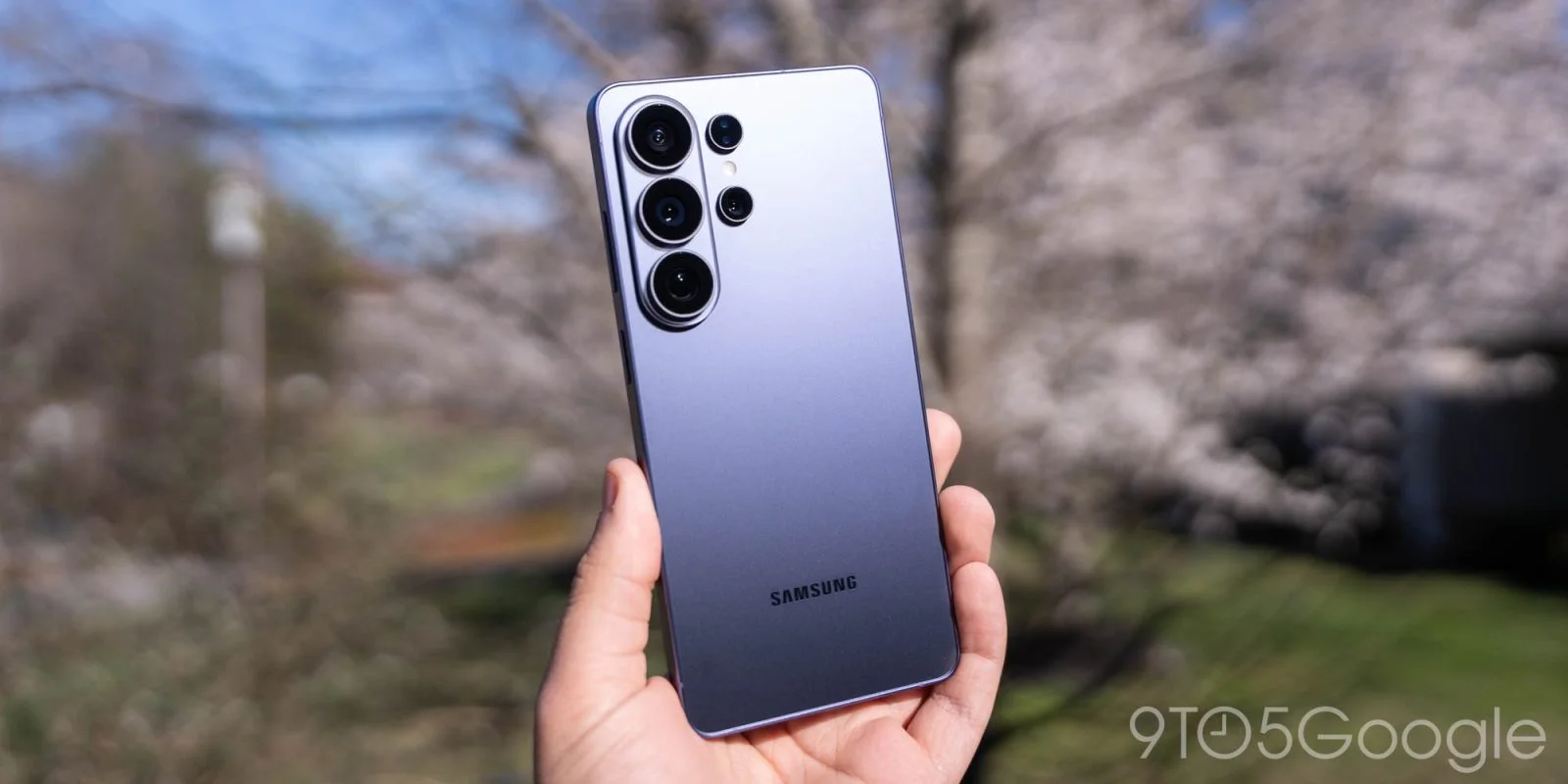
Recent reports indicate Samsung is planning a substantial reduction in its Galaxy smartphone production, projecting a drop of up to 30% through the end of 2026.
Production Cuts: An Overview
According to Korean outlet MoneyToday, Samsung originally anticipated manufacturing around 270 million smartphones in 2026, but it's now likely to barely exceed 200 million. This kind of downward revision speaks volumes not only about Samsung’s current strategy but also about the health of the global smartphone market.
Samsung has long held the title of the world's largest smartphone manufacturer, a position it has carefully cultivated through a mix of flagship innovation and widespread reach throughout various market segments. But with anticipated production volumes now set to fall dramatically, it raises immediate concerns about demand and competitive positioning. Production cuts often suggest that a company is responding to an oversaturated market or declining consumer interest. In this case, it looks like a combination of both.
Market Pressures: The Role of Memory Prices
This drastic adjustment is largely attributed to the significant increase in memory prices. Despite Samsung's leadership in the memory sector, it still faces the same market pressures as its competitors. The cost of 12GB of RAM has surged by 175% from last year and is expected to rise by another 20% in the upcoming quarters.
When memory prices skyrocket like this, it cripples profit margins for manufacturers. Even a company at Samsung's scale isn’t immune. In fact, this phase of rising component costs exemplifies a broader trend within the tech industry, where suppliers often pass on increased costs to end consumers. The impact is clear: higher smartphone prices, while potentially hurting sales, become a necessity for companies to maintain profitability.
Sales Projections and Profit Realities
As Samsung typically sees quieter sales in Q4 leading up to new flagship launches, this reduction in production doesn't come as a surprise. However, what raises eyebrows is the statement that Samsung is making “no profit at all” on its Galaxy smartphones. While this may exclude high-end models like the Galaxy S26 Ultra and Galaxy Z Fold 8, it reflects broader struggles within the mobile division.
In the smartphone industry, manufacturing and design costs can escalate quickly, especially when you're trying to incorporate cutting-edge technology. If you’re working in this space, you know that profit margins on lower-end models can be razor-thin. Manufacturers often rely on high-end sales to subsidize broader product lines. That said, acknowledging the absence of profit on flagship models like the S series raises a crucial question: How sustainable is Samsung's current pricing strategy?
Financial Fallout: Projected Losses
With projections indicating a staggering 19 trillion won loss (approximately $14 billion USD) for the mobile division in Q3 2026, this scenario likely explains the company's recent price hikes across various Galaxy models.
Such significant projected losses illustrate not just a temporary setback; they could signify a longer-term realignment within Samsung's strategy. Price hikes can alienate consumers, tempting them to seek alternatives. Samsung must balance maintaining premium pricing with staying competitive in a market that increasingly favors affordability. And that’s the part most people overlook — consumer loyalty can shift rapidly in tech, particularly as a wave of cheaper alternatives continues to flood the market.
Additional Samsung News:
- Samsung’s upcoming headphones may be branded as ‘Galaxy Studio’
- Samsung has begun rolling out Android 17 for the Galaxy S24 and earlier foldables
- The price of the Galaxy S26 has officially increased by $100
Implications for the Future
The implications of Samsung's production cuts and the projected financial losses are multifaceted. First, it signals a cautious approach toward a potentially contracting global smartphone demand. Trends in user behavior show increasing longevity in device usage, which certainly contributes to lower sales forecasts.
What's next for Samsung? They might need to consider strategies beyond just product pricing. For example, stepping up marketing efforts or enhancing trade-in programs could help bring consumers back into the fold. Or perhaps a shift in focus toward services, which often yield higher margins than hardware sales. Here’s the thing: failing to pivot could allow competitors to capitalize, especially as cheaper, feature-rich alternatives become mainstays in the smartphone market.
As it stands, this situation underscores significant challenges within the mobile sector. It’s going to be interesting to watch how Samsung adapts, given that their ability to navigate these waters will likely influence not just their own future but potentially the industry as a whole.
Discussion
Sign in to join the discussion.