Intel-based Googlebooks may face compatibility issues with some complex Android apps, while most run smoothly across devices.
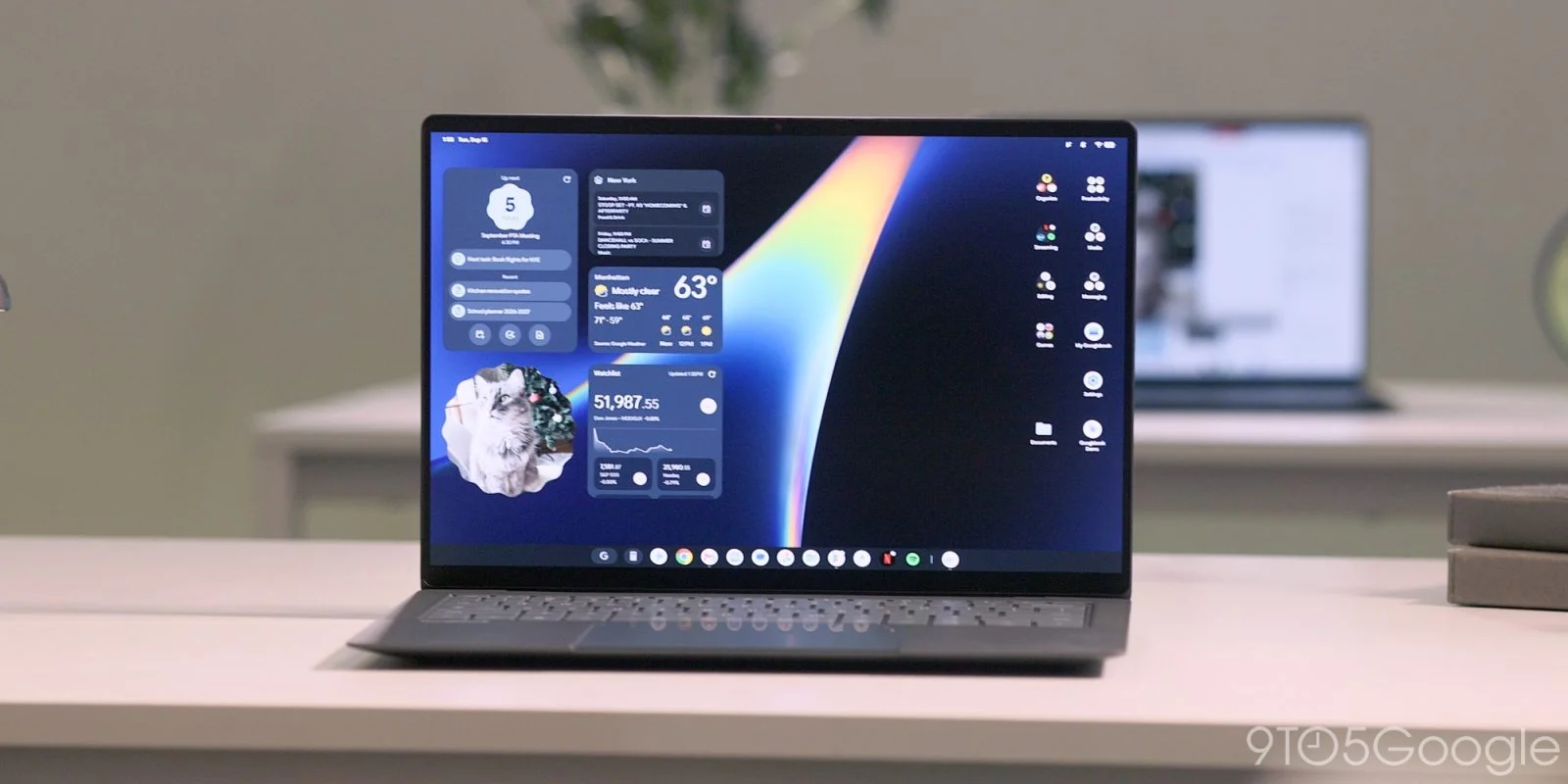
Google has acknowledged that its Intel-based Googlebooks may encounter issues with certain complex Android applications, despite a majority operating without hiccups. The transition to these new devices, which are based on an Android framework, marks a significant shift, yet echoes past challenges where ARM architecture typically outperformed Intel in running Android apps.
Understanding the Historical Context
When Android apps first integrated with ChromeOS, the performance gap between devices powered by ARM chips and those equipped with Intel processors quickly became apparent. This isn't just a minor detail; it reflects deeper architectural differences. Most Android applications are designed with ARM architecture in mind, resulting in inherent compatibility challenges for Intel’s x86 architecture. As Googlebooks enter the market, this long-standing discrepancy persists, raising questions about the effectiveness and usability of the new devices.
Current Performance and Developer Collaboration
According to a statement from Google to Android Authority, while the majority of Android applications function adequately on both Intel and Qualcomm-based Googlebooks, a select few more intricate apps and games may require adjustments from developers to optimize their performance. Google's collaboration with Intel, Qualcomm, and app developers is a proactive measure to address these challenges and improve overall compatibility across their device lineup. This vigilance is crucial, as gaming and high-performance applications often push hardware to its limits.
"The vast majority of Android apps run smoothly across both Intel and Qualcomm Googlebooks right out of the box," Google stated. "However, some complex apps or games may need tweaks for optimal performance on Intel-based platforms."
The Generation Gap: Hardware Choices
This situation becomes particularly noteworthy as the first generation of Googlebooks predominantly features Intel hardware. These initial offerings include laptops from Lenovo, Asus, and Acer, all equipped with Intel’s Panther Lake processors, while Dell and HP have opted for the Snapdragon X Elite chipset from Qualcomm. The decision to choose Intel for the majority raises eyebrows considering the gaming and app performance issues. What this means for you, if you’re considering a Googlebook, is that your experience may vary significantly depending on the app in question.
The iterative hardware evolution is also evident in the rumors surrounding MediaTek’s potential involvement with a new chipset. Although no devices utilizing it have been released yet, the mere notion that other silicon partners are in play indicates Google's acknowledgment of varying performance needs. The stakes are high. With ARM-optimized devices currently delivering superior battery life and efficiency, the industry watches carefully to see if this new collaboration can keep pace.
User Concerns and Market Dynamics
The anticipated performance struggles highlight a larger conversation about the strategic direction of Googlebooks. Launched predominantly on Intel chips, the choice raises valid questions about the device's long-term compatibility with the Android ecosystem. Users have begun to voice skepticism, particularly considering the advantages historically associated with ARM-based solutions. Battery life is just one aspect; efficiency across tasks could influence purchasing decisions as well.
Critics argue that Google’s reliance on Intel could alienate a segment of its user base that prioritizes performance, particularly among gamers and creatives who depend on intensive applications. This is more significant than it looks: in a market increasingly defined by user experience and efficiency, choosing the right hardware can be the difference between success and failure.
Strategic Implications and Future Outlook
As Googlebooks roll out, their performance metrics will be critical not only for consumer acceptance but also for establishing Google's presence in the competitive laptop market. This move toward Intel raises some eyebrows and could potentially signal a shift in strategy that’ll either pay off or backfire. If you're working in this space, you'll want to keep an eye on how Google navigates developer collaboration and hardware optimization. Are adjustments made quickly enough to satisfy user demands? Will they risk losing ground to devices that are optimized for ARM, where the majority of Android applications thrive?
In an environment where every detail counts, especially in consumer electronics, any misstep could leave a lasting impression. Google must balance its hardware choices with the realities of developer needs and user expectations. The pacing of updates and technological alignment will be critical. Will the cloud of skepticism dissipate as the Googlebooks continue to be refined, or will Intel's long-standing baggage linger, overshadowing progress? Time will tell.
Discussion
Sign in to join the discussion.