OpenAI reveals plans to incorporate visual ads into the ChatGPT app, enhancing brand engagement during content generation.
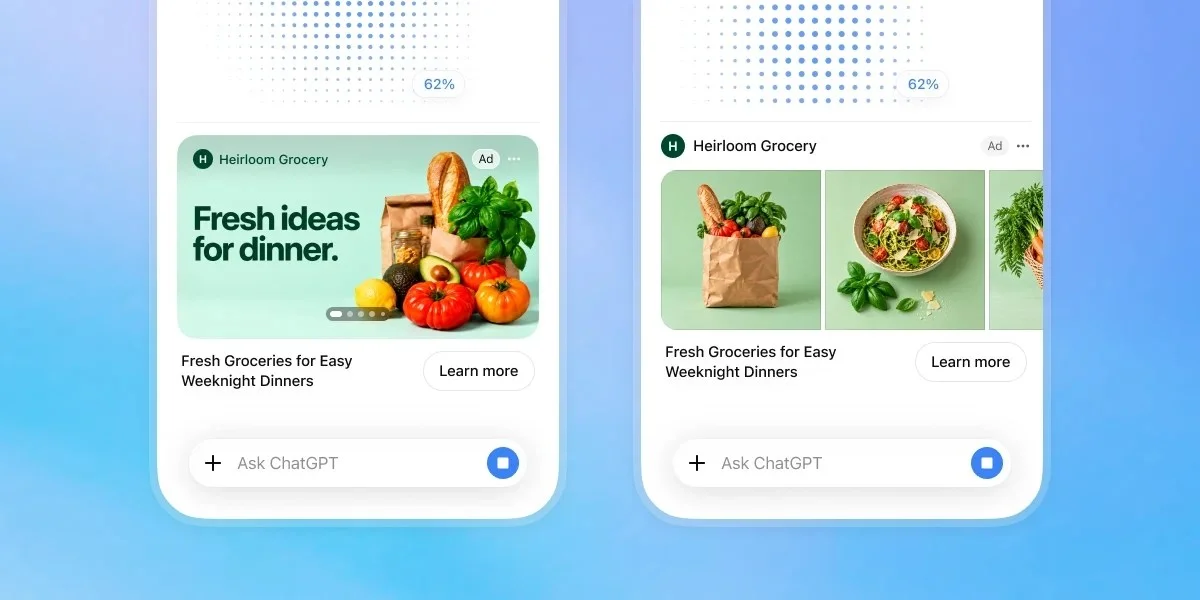
OpenAI has announced an upcoming test of a new visual ad format in the ChatGPT app, set to begin later this month.
Introducing Visual Ads in ChatGPT
The new format is designed to showcase advertisements while the app processes user prompts, particularly during image creation. It's a shift that marks a significant development in how AI platforms like ChatGPT monetize their services. By integrating ads into the user experience, OpenAI appears to be exploring new revenue streams amid an increasingly crowded market for AI technology.
The visual ad format aims not just to display products but to engage users more interactively by presenting related images that could resonate with them. This move comes as tech companies seek to enhance user engagement and open up fresh avenues for advertising, a sector that's continuously evolving with the growth of digital media. It’s a strategic pivot that aligns with broader trends in mobile app monetization.
OpenAI's Vision for Ad Experiences
In its announcement, OpenAI elaborated:
This new visual ad experience helps users envision how various products and services might enhance their lives. By displaying images linked to product ideas, usage, or transformative experiences, users can discover brands and make informed purchasing decisions. This approach is a chance for advertisers to represent their narratives visually.
Testing will focus on ads that are clearly labeled and distinct from the images generated by ChatGPT's processing. OpenAI reassured users that these ads will not affect the responses generated by the model.
This perspective on advertising reflects a growing trend among platforms where user engagement leads to more personalized and less intrusive ad experiences. OpenAI's positioning suggests it wants to maintain trust with its audience, making it clear that the ads are an enhancement rather than a distraction. If you're working in this space, you'll recognize the significance of balancing monetization with user experience. After all, trust takes years to build and seconds to lose.
Past Advertising Efforts and Their Impact
Previously, OpenAI trialed ads positioned beneath user responses, linking to relevant products, such as a grocery delivery service appearing under a recipe output. This approach had its merits—directly connecting user queries to potential ads—but it was also less visually engaging than what the new visual format promises. In many ways, it underscores how even minor tweaks can lead to significant changes in user perception and brand interaction.
Unlike the more traditional ad placements that often feel intrusive, the idea of blending ads with user prompts during the image generation process intends to create a more cohesive experience. However, the challenge remains: will users embrace this new format or see it as another unwanted layer in their interactions with AI? That said, the growing need for platforms to monetize effectively without jeopardizing user base appears to push companies toward more dynamic advertising approaches.
Initial Rollout and Expectations
As for the rollout, OpenAI will begin testing the ad format for users in the United States "later this month," yet a wider launch has yet to be confirmed. The anticipation around this test phase will likely generate some buzz, as early adopters will provide invaluable feedback that could shape the future of these ads. If the execution goes well, it may indicate a shift in how companies approach user engagement through targeted advertising.
Early data suggests these ads may lead to lower acquisition costs for advertisers, with many reporting an increase in new customer engagement. This statistic is telling; though still in its infancy in this format, the feedback cycle could rapidly refine this ad system. How advertisers adapt to this format will be key—will they retain their core messages, or will they shift in favor of more visually-oriented campaigns?
Implications for the Future
The introduction of visual ads could have lasting implications not just for OpenAI, but for the digital advertising space as a whole. With platforms experimenting with how best to integrate ads, the strategies around user engagement will continue to evolve quickly. Marketers who can think visually and contextually may find themselves at a significant advantage as this trend develops. This is more significant than it looks; a successful rollout could inspire similar features across other platforms.
And yet, there's a broader issue that must be considered: the potential for ad fatigue among users. If ads become too integrated or disruptive, platforms risk alienating the very people they’re trying to engage. Companies must tread carefully, ensuring that monetization strategies do not detract from the core functionalities of their services.
Marketplace Dynamics
As competition in AI technologies continues to escalate, OpenAI's approach will either set a new standard or reveal gaps in user acceptance. How users respond to these ads during the testing phase could dictate future advertising models in AI. If successful, it might serve as a template for other AI-driven applications looking to monetize. The tech industry's fascination with how to blend ads with content shouldn't overshadow the fundamental question: Is this what the user wants?
Discussion
Sign in to join the discussion.