Google's recent Pixel 11 ads tease a new screen-equipped fitness tracker, sparking speculation about its identity and future in the market.
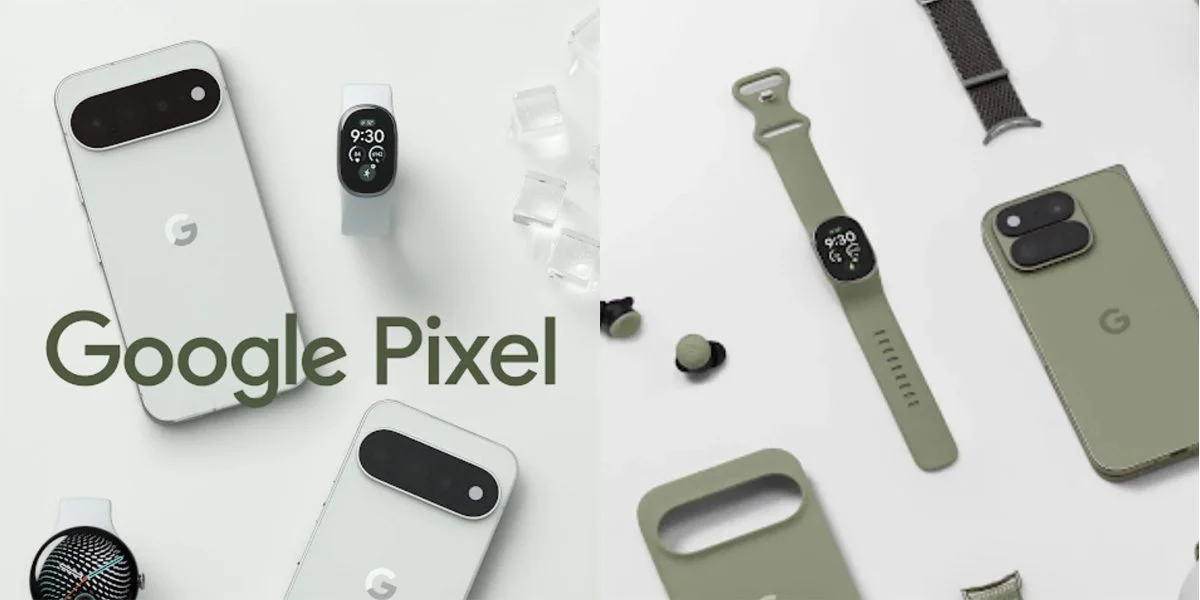
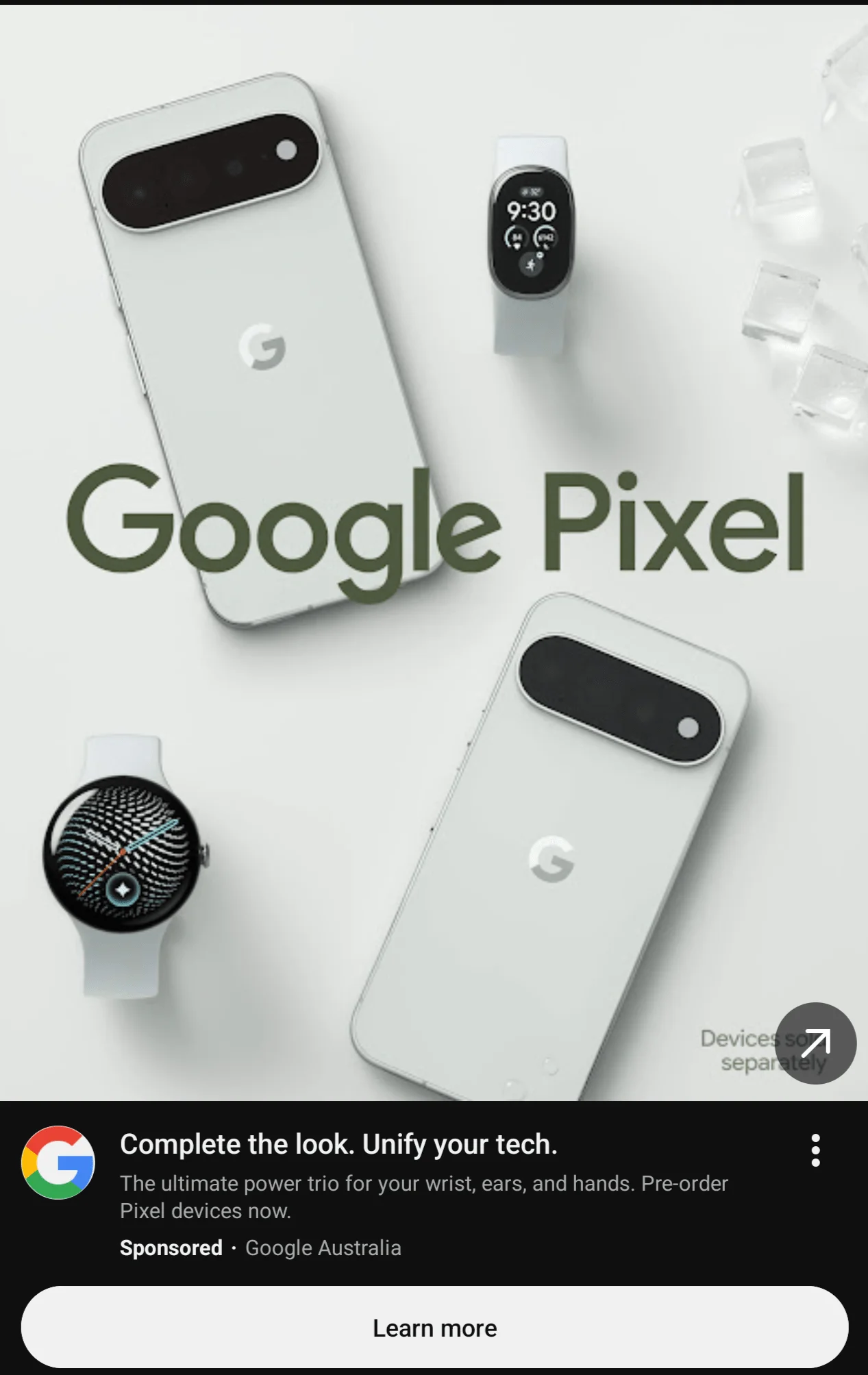
Google recently dropped a couple of intriguing ads for the Pixel 11, featuring a mysterious new device that appears to be a fitness tracker with a screen. While it isn't labeled as either a Fitbit Air or the latest Pixel Watch 5, its distinctive design has stirred curiosity.
The Enigmatic Device in the Ads
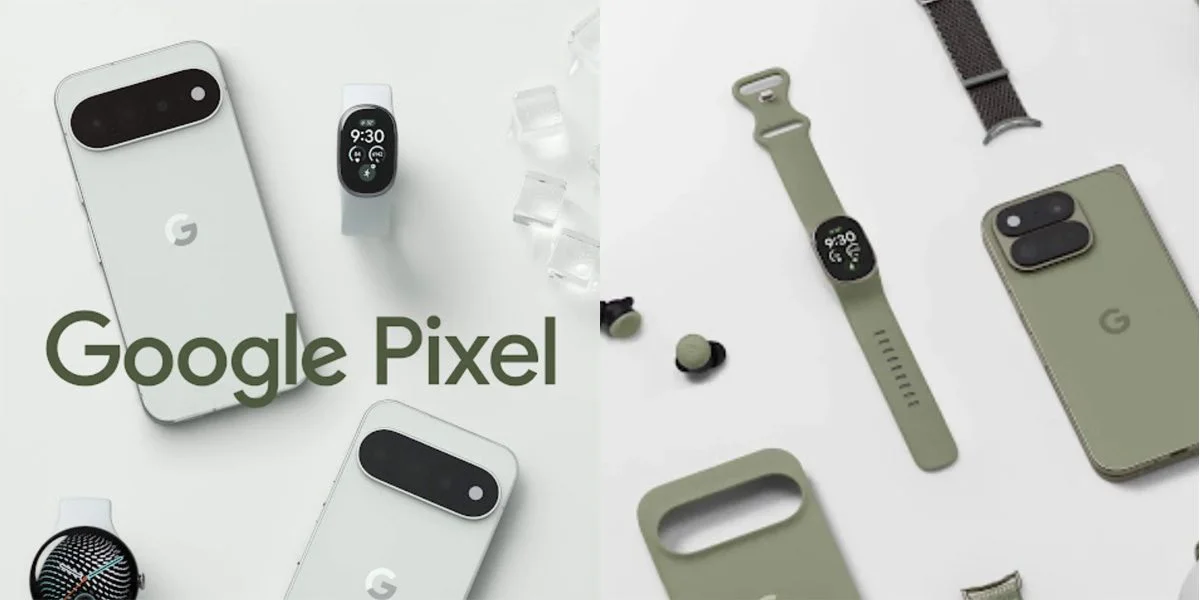
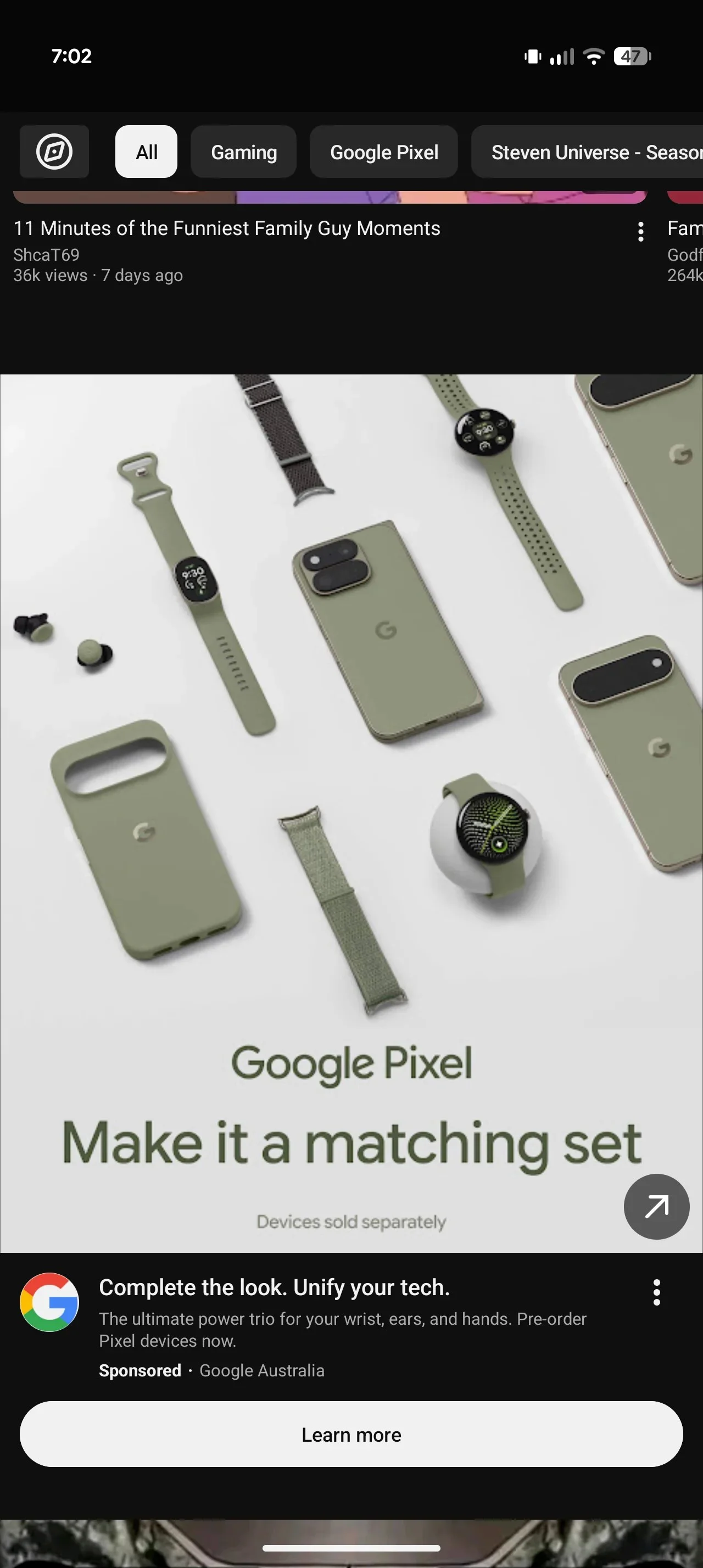
The ads, which appeared on YouTube, highlight the updated Google Pixel lineup, showcasing the Pixel 11 in "Fog" colors alongside the Pixel Watch 5. This isn't just about flaunting products; it's a strategic positioning of Google's latest hardware. In both ads, an unexpected tracker shines, displaying a user interface reminiscent of the Pixel Watch 5's but shaped like an elongated pebble. This distinct design choice may hint at a new direction for Google's wearables.
Viewers are left wondering: What exactly is this device? Is it a simple evolution of existing fitness technology, or is it something that signals a shift in Google's approach to health tracking? In a market flooded with wearables from Apple, Samsung, and other tech giants, Google’s strategy may hinge on creating products that attract attention for their novelty and functionality. The unusual form factor serves to differentiate this product from competitors, yet it also invites skepticism as to its actual utility.
User Reactions and Speculations
Reports from users on Reddit confirm sightings of this tracker, leading to discussions that range from excitement to skepticism. In an age where product leaks and speculation are rampant, these unconfirmed sightings don't just grab attention—they ignite discourse. Further investigations reveal images that illustrate this enigmatic device more clearly. Its design seems to blend aspects of the Fitbit Air and the Fitbit Charge, yet it diverges enough to raise questions about whether it's meant to replace or complement existing Fitbit products.
Interestingly, the reaction to these ads highlights the thin line between consumer interest and skepticism. Some fans are rooting for a new entry into the fitness-tracking space, while others are wary, particularly given the mixed performance of previous products. Fitness trackers, especially from established brands, face pressure to offer innovative features without sliding into redundancy. And here’s the kicker: Google has not unveiled a significant new product like a “Fitbit Charge 7” since the Charge 6 was released nearly three years ago, fueling speculation about whether this new device will fill that gap or chart a different course entirely.
Why Is Google Making Moves in Fitness Tracking?
Google's strategic push toward integrating Fitbit into its ecosystem raises possibilities for new hardware introductions. It's a move that creates intrigue but also pressure. The tech giant, now a leader in several domains including cloud computing and software, appears to want to make a stronger mark on the wearables front. The absence of standout new products raises the question of Google's long-term vision for health and fitness tech. It’s not just about an individual product; it’s about whether Google intends to position itself as a serious competitor in a space dominated by Apple and other heavyweights.
The previous success of screen-less devices like the Fitbit Air contrasts sharply with the design of this new tracker. The question remains: can a device with a screen cater to discerning users who desire more functionality without the bulk? Many tech enthusiasts expect smarter features and a more personalized experience in upcoming devices, raising the stakes for Google.
Assessing the Reality of AI-Generated Imagery
Upon first glance at the ads, some viewers speculated whether the device was nothing more than AI-generated imagery — perhaps a test of Google's creative tools. The technology giants often utilize advanced graphics to craft persuasive marketing narratives. But having two ads feature the tracker suggests it could be a legitimate product, generating a mix of hope and skepticism among viewers. This raises a pertinent point: how do consumer expectations align with corporate strategies? Is the tracker simply a tease or the start of a new trajectory for Google's hardware ambitions?
What Lies Ahead? Implications and Future Outlook
For now, the true nature of the tracker remains a conundrum. Google's marketing strategies often lead to buzz, and while the absence of the Fitbit Air in the promotional materials is perplexing, it leaves the door open for speculation. Until Google weighs in with further clarification, the future of this tracker and its intended position in the wearable market is still very much in the air. What this means for you, if you're working in this space, is that caution is advised. Speculation has its limits. The hype could either lead to disappointment or signal a significant shift in how tech giants approach health and fitness tracking.
There's potential here, yes, but it’s coupled with ambiguity. Google may be banking on consumer enthusiasm for something new, hoping that curiosity will translate into sales. Yet, whether this strategy pays off remains uncertain. With competitors continuously iterating and improving their wearables, Google can't afford to miss the mark.
Explore More on Google Pixel:
- Discover important details about Google’s latest Pixel 11 phones
- Google rolls out Tap to Share feature for Pixel 6 and later models
- Generous trade-in offers for the Pixel 11 could yield up to $1,000
Stay updated with Ben on Twitter, Threads, Bluesky, and Instagram.
Discussion
Sign in to join the discussion.