Xpeng aims to diversify revenue by offering its technology stack to international automakers, including advanced driver-assistance and AI solutions.
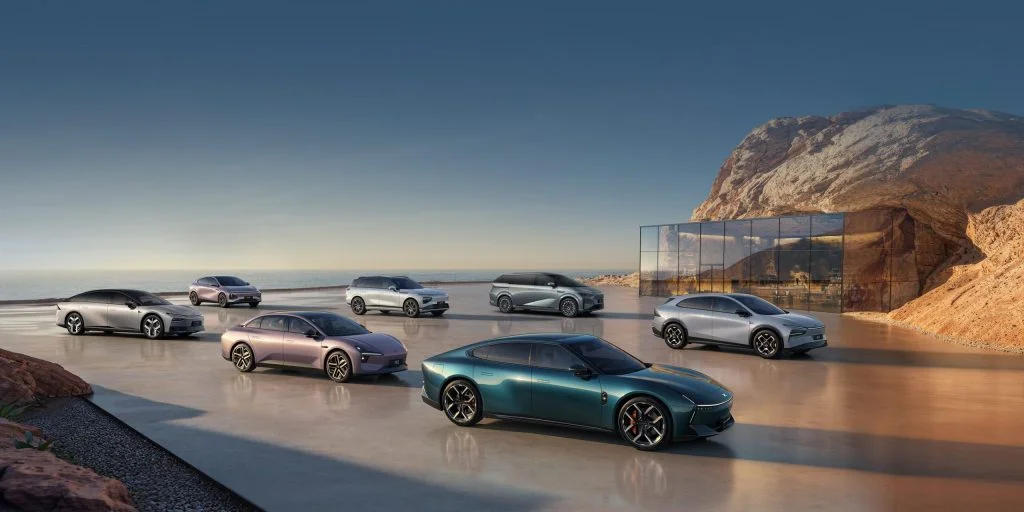
Strategic Global Expansion
Xpeng is expanding its horizons by planning to offer its technology suite to international automotive manufacturers, moving beyond its established relationship with Volkswagen. The automotive industry is undergoing a significant transformation, with electric vehicles (EVs) rapidly gaining popularity worldwide. Traditional automakers face mounting pressure to innovate and integrate advanced technology, especially from players like Xpeng, which has earned recognition for its capabilities. By engaging in discussions with potential partners, Xpeng is positioning itself as a pivotal player in this evolving landscape.
What this means for you—if you're working in this space—is that Xpeng’s move could shake up established partnerships and alliances. By providing state-of-the-art technology to other manufacturers, Xpeng is not just broadening its revenue streams; it’s also influencing the direction of the automotive market. With several established brands seeking to modernize their offerings, Xpeng might find itself at the forefront of multiple collaborations that could redefine the competitive dynamics in the industry.
Comprehensive Technology Offerings
The firm intends to market its electric and electronic architecture, cockpit systems, Turing AI chips, and sophisticated driver-assistance software. Xpeng's emphasis on a holistic technology stack is particularly noteworthy. Unlike many traditional automakers that may focus on individual components, Xpeng’s integrated approach allows for more cohesive and efficient vehicle systems. This might be precisely what other manufacturers need as they strive to compete in a marketplace that increasingly demands both performance and intelligence.
In addition to automotive manufacturers, Xpeng is also seeking partnerships with overseas software developers and parts suppliers. This broader reach highlights the growing realization that software will play an even more critical role than hardware in the automotive sector. As vehicles become more connected, the demand for software solutions that enable features like autonomous driving, infotainment, and predictive maintenance will only increase. It’s a strategic alignment that makes Xpeng’s offerings all the more appealing, especially as car manufacturers look to streamline operations while enhancing their product lines.
Here's the thing: Xpeng's entrance into diverse sectors broadened its potential market. Competitors like Tesla and Rivian are setting high benchmarks, but there's always room for firms that can provide complementary or supplementary technologies. While Xpeng isn't without its challenges, the way it pivots toward software and embedded systems stands out as a tactical response to the shifting demands of the industry.
Diversification into AI Applications
Furthermore, Xpeng plans to broaden its technology licensing efforts into emerging fields such as robotaxis, humanoid robotics, and various AI applications. The company’s commitment to these areas illustrates how it aims to be seen not only as an automotive manufacturer but also as a technology provider that can meet 21st-century demands. With an increase in investments around autonomous transport solutions, robotaxi services are capturing attention as they promise to revolutionize urban transit.
This strategic move comes on the heels of its 2023 partnership with Volkswagen, where the latter secured a 4.99% stake in Xpeng for about $700 million. That infusion of capital undoubtedly provided Xpeng with the resources necessary to explore aggressive growth strategies. However, partnerships like these can be double-edged swords; they may impose certain constraints or expectations on company direction. It remains to be seen how Xpeng will navigate this delicate balance while maximizing its capabilities.
And this is the part most people overlook: the implications of focusing so heavily on AI and robotics could resonate beyond just the automotive ecosystem. Xpeng’s ambitions in the AI sector might lead to innovations that can influence other industries such as logistics, manufacturing, and even urban planning.
Implications and Future Outlook
The shift towards expanded partnerships and diversified technology offerings signals a significant commitment from Xpeng to adapt in a rapidly changing market. For established automakers, this means entering into collaborations that could either enhance their technological stacks or pose existential threats by altering competitive fields. Xpeng's strategic pivots illustrate a broader trend in which tech-driven firms become essential partners for traditional manufacturers struggling to keep pace with innovation.
You can expect increased scrutiny on how these partnerships evolve. As Xpeng partners with more international brands, the potential for intellectual property disputes could rise, especially as different companies vie for technological dominance. The implications for regulatory oversight are also worth considering. Governments globally have shown increased interest in and concern for technological developments in the automotive space, particularly regarding safety standards and data privacy.
Ultimately, how Xpeng executes this ambitious strategy will determine its long-term viability. If it can maintain its technological edge while securing and managing partnerships effectively, it might position itself as one of the key players in tomorrow's automotive and tech landscape. But the market won't wait; as Xpeng excitedly plans its future, its rivals will undoubtedly be watching and learning, ready to strike at any perceived weaknesses.
Discussion
Sign in to join the discussion.