Sanxingdui: Future Past, China’s first fully AI-produced feature film, premieres on October 23, 2026, emphasizing AI's growing role in cinema.
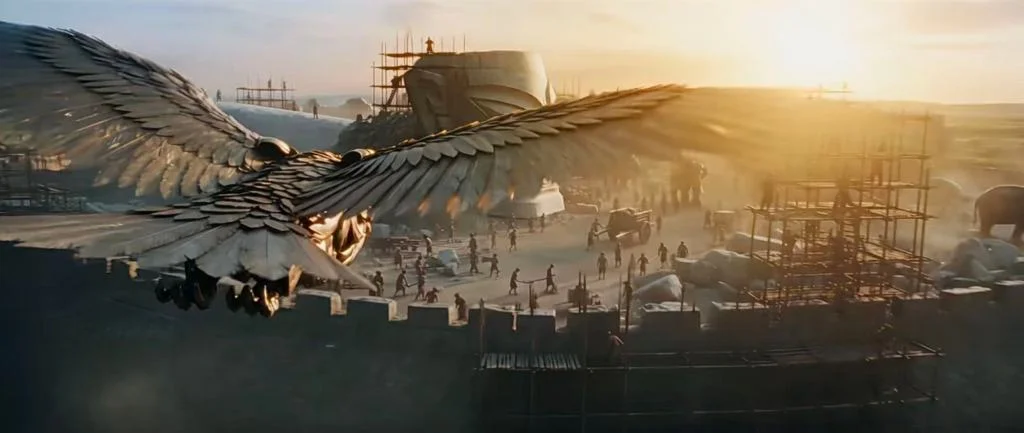
Artificial intelligence has made significant strides in filmmaking, and Sanxingdui: Future Past exemplifies this shift with its full integration of AI technologies in a 100-minute theatrical format. Scheduled for release on October 23, 2026, the film represents a pivotal moment as it secures an official screening license in China, marking a transition from short-form AI video content to full-length cinematic narratives. This is more significant than it looks; the film demonstrates both the capabilities of AI in crafting richer stories and the industry's appetite for more complex narratives utilizing these technologies.
What Sets Sanxingdui Apart
The film creatively merges elements of the ancient Shu civilization and futuristic science fiction, featuring entirely original digital characters without any digital replicas of live actors. This unique choice eliminates the complex issues surrounding image rights often encountered in traditional film production. Plus, it opens up a world of storytelling possibilities that weren’t accessible with live actors, such as the ability to create entirely new forms and expressions without constraints. If you're working in this space, you understand that rights management can be a minefield, with royalties and permissions bogging down creative processes. By opting out of using live actors, Sanxingdui: Future Past not only circumvents these issues but also allows for a fresher, uninhibited exploration of character design and narrative depth.
Rather than letting AI take the reins as the director, a team of over 100 talent from Bona's AIGMS division handles the crucial creative elements. AI plays a supportive role, focusing on tasks such as image generation and content production. While it might sound appealing to hand over control to AI, the fact that a human team oversees narrative and artistic direction speaks volumes. This adherence to conventional production protocols signifies that while AI can enhance filmmaking, the human touch remains irreplaceable in storytelling.
The Challenge of Consistency
A significant hurdle in AI film production lies in maintaining visual consistency throughout an extended runtime. Characters can look dissimilar between scenes, leading to disruptions, especially in a film lasting over an hour-and-a-half. To counteract this, the production team monitored details like micro-expressions on a frame-by-frame basis. Achieving high cinematic quality in 4K resolution with advanced audio systems requires meticulous attention to detail, highlighting the fine balance between technology and artistry. Here’s the thing: a disjointed visual experience can easily alienate viewers. If characters fluctuate in appearance, the audience's immersion in the story shatters. Thus, this film's effort to focus on consistency isn’t just a technical requirement; it's a fundamental aspect of storytelling that maintains audience engagement.
A Two-Year Journey
The production journey took two years, utilizing more than 1.2 million images and undergoing over 100 iterations to refine the film's outcome. Through the Infinite Canvas system, developed by Boka Film Cloud, the team integrated scripts, storyboards, characters, and other elements into a comprehensive creative framework. This development reflects a broader trend: sustaining an efficient workflow is as critical as content creation itself. And yet, one must wonder if such extensive resources could yield returns in an industry notorious for its unpredictability. What does success look like in a project of this scale? This contemplation hints at the complexities filmmakers face when navigating between artistic innovation and commercial viability.
AI in the Narrative
The storyline investigates the enigmatic symbols of the Sanxingdui civilization and posits a future where advanced AI usurps human decision-making, leading to a potential crisis. This intriguing narrative positions AI not merely as a production tool but as an essential theme, questioning humanity’s reliance on technology. This thematic choice is timely. Today’s society grapples with the implications of AI integration in everyday life, from job displacement to ethical considerations around autonomy. The film invites viewers to not only immerse themselves in an entertaining tale but also engage in a conversation about their relationship with technology. It forces us to confront our collective anxieties and expectations regarding AI, dynamic issues that are both urgent and unresolved.
Domestic and International Venue
Prior to its domestic debut, the film garnered attention at prestigious venues like the Cannes Film Festival and the Hong Kong International Film & TV Market. These showings unveiled an international trailer that further highlights its narrative depth and technical diversity. This transition to full-length features signifies an evolution in AI filmmaking capabilities, moving from brief clips to major cinematic undertakings. The question isn't just whether AI can produce films, but whether it can be woven into the very fabric of filmmaking processes. As Sanxingdui: Future Past prepares for release, its journey will be closely observed for insights into the future role of AI in the global film industry. Are we on the brink of a shift where AI might not just assist but actively collaborate in storytelling?
Implications and Future Outlook
The implications of Sanxingdui: Future Past are broader than just one film. If successful, it could pave the way for a crop of future productions that redefine artistic collaboration between humans and machines. More importantly, it raises questions about the authenticity of stories told by machines, and whether audiences are ready to accept narratives crafted under heavy AI influence. As technology continues to advance, filmmakers and writers will need to navigate these waters carefully. The potential for AI to assist in storytelling is staggering, but the industry must remain vigilant in maintaining the human element that drives the emotional core of cinema. The impact of this film will likely inspire discussions about ethical boundaries, creative integrity, and the role of AI in not just filmmaking but in the arts as a whole. What does this mean for traditional roles? It remains to be seen, but Sanxingdui: Future Past might just be the start of an expansive dialogue in the world of storytelling.
Discussion
Sign in to join the discussion.