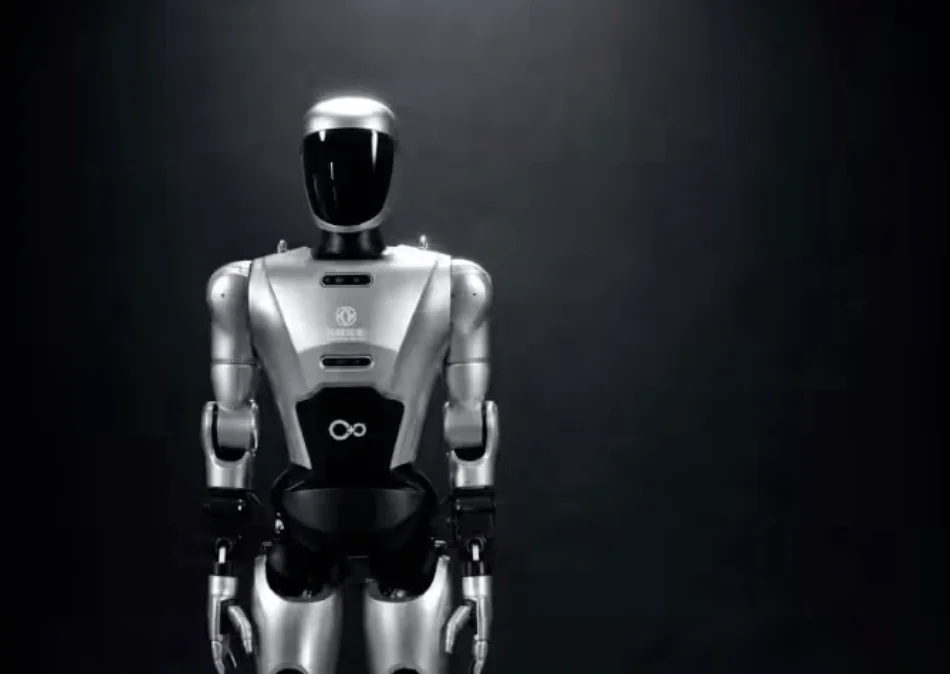
Dongfeng's Xiaodong humanoid robot is on track for production trials this October, designed for various manufacturing roles.
Upcoming Factory Integration
Dongfeng's humanoid robot, named Xiaodong, is set to begin training in a factory by the end of October, confirmed by Zhang Zhenlin, the automaker's chief engineer specializing in intelligent technology. This robot aims to participate in trial production before the year ends, with plans for small-scale manufacturing next year.
The introduction of Xiaodong marks a significant commitment by Dongfeng to integrate robotics into its manufacturing processes. As robotic technology continues to advance, companies are increasingly looking to automate labor-intensive tasks to enhance productivity and reduce operational costs. Dongfeng’s decision to deploy Xiaodong is indicative of a broader trend where automotive manufacturers explore automation not just for assembly lines, but for a variety of processes within the factory setting. This isn’t the first time an automaker has ventured into humanoid robotics, but Dongfeng's approach may set new standards for how these advanced systems can be utilized in manufacturing.
This integration isn’t merely about replacing human workers; it's about augmenting their capabilities. The use of humanoid robots is increasingly seen as a way to perform tasks that are either too monotonous or dangerous for humans. Xiaodong’s training phase will be crucial. The real challenge will be how effectively this robot can adapt to the dynamic conditions of a factory floor, where precision and flexibility are key.
Manufacturing Capabilities
Xiaodong's design focuses on various manufacturing functions such as sorting, material handling, and quality inspections. Currently, Dongfeng is validating the robot's efficiency in sorting automotive components and aims for its autonomous operation in more adaptable production scenarios.
When discussing the manufacturing capabilities of Xiaodong, it's essential to consider the types of tasks that typically require both dexterity and intelligence. Sorting automotive components is a great starting point. This task often demands both speed and accuracy, which are attributes that robotics can excel in if the technology is implemented correctly. Moreover, material handling is frequently cited as one area ripe for automation due to repetitive physical demands. For many manufacturers, being able to automate these processes leads to reduced labor costs and faster production cycles.
Quality inspection, on the other hand, brings a different set of challenges. It’s not just about detecting defects; it’s about doing so in a non-disruptive way that maintains the flow of production. If Xiaodong can handle quality checks autonomously, this might represent a significant shift for manufacturers striving for higher standards with less human oversight. But achieving this kind of accuracy requires a sophisticated understanding of both the tasks at hand and the products being handled. Dongfeng must ensure Xiaodong's systems are finely tuned to meet industry standards, and that’s no easy feat.
As the trial production phase begins, the data collected during Xiaodong's operations will be critical for refining its capabilities. This closed-loop feedback system is something that many robotics programs capitalize on; learning from real-world experiences is paramount during development. And yet, just getting Xiaodong up and running isn't enough. It has to demonstrate adaptability in various manufacturing scenarios to truly prove its value.
Leveraging Existing Technologies
Zhang highlighted how skills from Dongfeng’s automotive, intelligent cockpit, and robotics sectors could be repurposed to accelerate Xiaodong's commercialization.
To understand the significance of this statement, it's crucial to recognize how diverse technology sectors can inform one another. Dongfeng’s experience in the automotive sector brings a wealth of knowledge about materials, production cycles, and efficiency metrics. Meanwhile, insights from intelligent cockpit technology can provide a solid foundation for user-interface design, which is essential for making Xiaodong user-friendly for factory operators. This cross-pollination of expertise isn't just beneficial; it's often essential for success in complex projects like robot integration.
Moreover, the integration of robots with sophisticated cockpit technologies can enhance their operational capabilities. If Xiaodong can learn from the interactions and expectations set in vehicle environments, it might be able to make quick judgments about changes in manufacturing flow. This kind of agility is vital in manufacturing, where the market's demands can shift rapidly. However, this isn't just about pulling from existing resources; Dongfeng needs to be cautious about ensuring that these technologies work harmoniously instead of causing more friction in the production process.
Implications for the Industry
Xiaodong's deployment could indicate a pivotal moment in the automotive industry’s adoption of robotics. If successful, it will likely encourage other manufacturers to pursue similar integration efforts, thereby accelerating the trend towards more automated factories.
The implications extend beyond just efficiency gains; this could also influence workforce dynamics. Should robots like Xiaodong be widely adopted, you might end up seeing significant shifts in job roles and demands within the industry. For instance, while some repetitive tasks may be eliminated, there will be a growing need for workers who can manage and maintain robotic systems. This could lead to an increase in demand for upskilling and training programs, pushing labor forces to adapt more rapidly than perhaps anticipated.
If you're working in this space, keeping an eye on Xiaodong's progress and performance metrics will be crucial. The success of this initiative could serve as an important case study for future robotic integrations across various manufacturing sectors. The technology and methods developed through Xiaodong's training could potentially become benchmarks for others who aim to follow in Dongfeng's footsteps.
In summary, Xiaodong represents more than just a robotic innovation; it embodies the potential for a sea change in how manufacturing is approached in the automotive industry. The outcomes of this project will resonate beyond the factory floor, shaping job markets, industry standards, and ultimately, manufacturing efficiency for years to come.
Discussion
Sign in to join the discussion.