Google has rolled out a September security update for the Pixel 11 series, addressing key issues prior to the anticipated Android 17 QPR1.
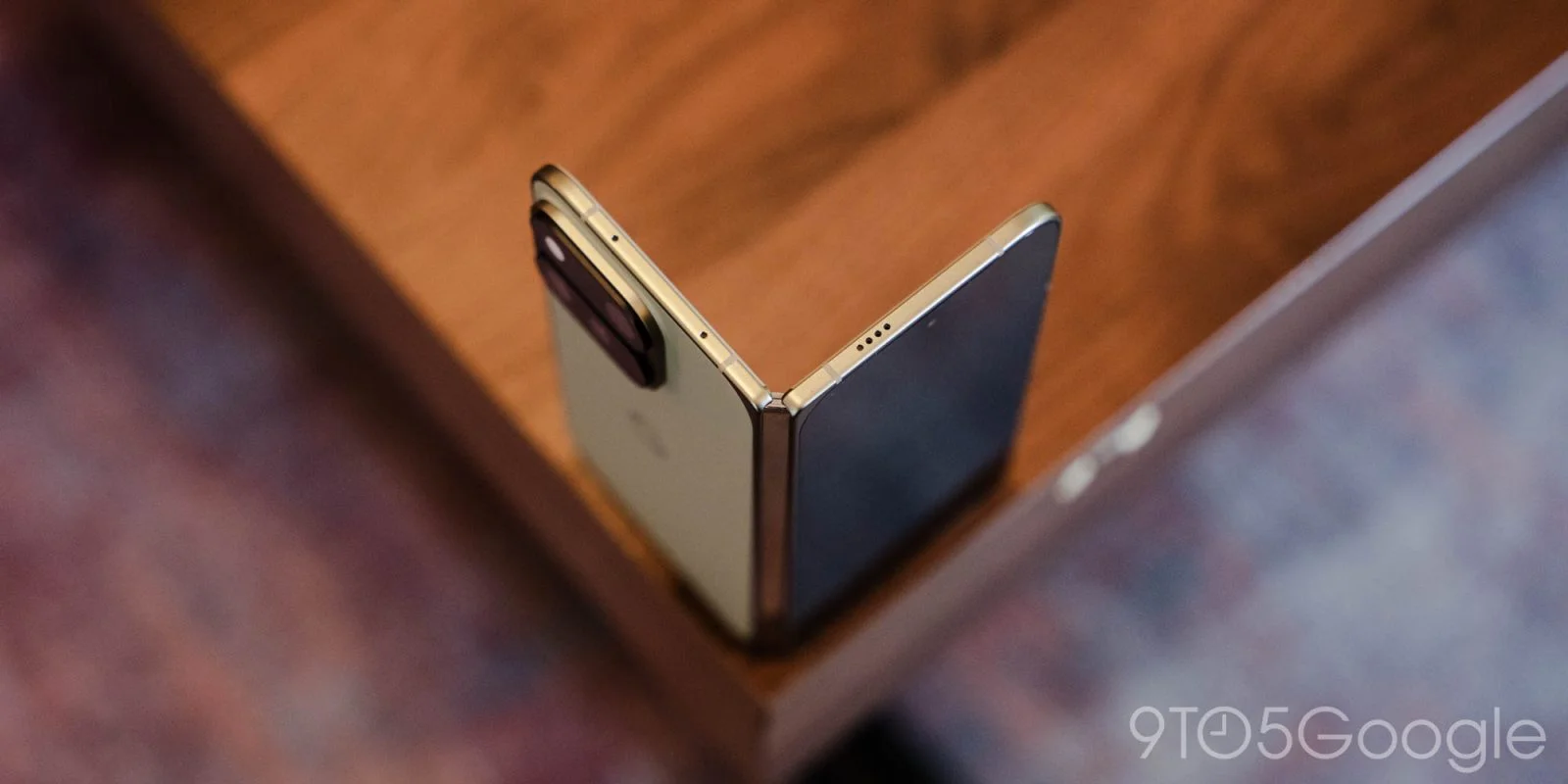
As anticipation builds for the stable release of Android 17 QPR1, Google has proactively deployed a September 2026 security update for the Pixel 11 series. This out-of-cycle update is designed to address performance and stability issues observed since the device's launch last month.
Importance of Timely Updates
In the fast-paced tech ecosystem, timely updates are essential for maintaining user satisfaction and trust. Device stability is often tested not just at launch but also in the period immediately following a major release. For the Pixel 11 series, the September 2026 security update aims to iron out the technical kinks that can otherwise mar the user experience. New devices, particularly in Google's Pixel lineup, are expected to perform seamlessly, and any hiccups can lead to negative reviews and frustrated customers. It's clear that Google recognizes this and is moving swiftly to address concerns.
Details of the September 2026 Update
Update 9/9: After an initial OTA update was rolled out to some users, Google has made the factory and OTA images available for manual installation. This includes updates for the Pixel 11, 11 Pro, 11 Pro XL, and 11 Pro Fold, all bearing the label “Sep 2026.”
The September update serves multiple purposes. Firstly, it enhances device performance by patching bugs and making optimization tweaks. Secondly, it bolsters security, a top priority for modern consumers who are increasingly aware of digital privacy issues. The attention to security fixes indicates Google’s commitment to keeping its user base safe. While the rollout of the factory images allows more technically inclined users to take matters into their own hands, it also reflects a growing trend among manufacturers to prioritize user control and customization.
What’s Missing: Android 17 QPR1
Notably, Google has not yet announced the Android 17 QPR1 update or the expected Pixel Drop, leaving users eager for more information.
The absence of news regarding the Android 17 QPR1 update raises questions about Google's strategy. The QPR, or Quarterly Platform Release, typically includes new features, design changes, and enhancements that users look forward to. This time, however, Google appears to be prioritizing immediate fixes over longer-term enhancements. Coming alongside a major device release like the Pixel 11 series, this could be interpreted as a reactive, rather than proactive, approach to user experience.
Prior Updates and Their Implications
Original 9/1: On Tuesday, Pixel 11 series users began receiving an OTA update for CD1A.260905.001.A1, an update from CD1A.260714.001.A9.
This security update is tagged “September 1, 2026,” which differs from previous updates. The install message indicates fixes for critical bugs in addition to enhancing device performance and stability. The early timing of these updates hints that Google is acutely aware of its reputation in the hardware arena, especially given tough competition.
Reports indicate an under 100 MB OTA update is reaching the Pixel 11 Pro, 11 Pro XL, and 11 Pro Fold, although factory or OTA images were not posted by Google immediately after the Tuesday rollout. The size of the update suggests a focused approach, addressing immediate issues without overwhelming users with extensive changes. (And this is the part most people overlook.) The quicker the company can resolve existing performance problems, the better its devices will fare in market reviews and user feedback.
The Stakes for Google
While this update is significant for users, it's not the Android 17 QPR1 release. The forthcoming update is expected to introduce various visual changes, which are absent in this rollout. This suggests that Google is addressing existing issues rather than waiting for the planned feature release. What this means for you, the consumer, is that initial impressions based on stability could very well influence your decision to stick with the Pixel ecosystem or explore alternatives.
Future Outlook: What’s Next for the Pixel Series?
The situation at hand serves as a pivotal moment for Google as it navigates the rocky roads of hardware competition and software innovation. The upcoming feature rollout in the QPR1 update must not only meet user expectations but also repair any trust eroded by initial bugs and performance hitches. If you're working in this space, you'll want to pay attention to how user feedback shapes future updates and whether Google evolves its approach in future device launches.
Ultimately, how Google responds to the immediate needs of Pixel 11 series users could have lasting repercussions for its brand image. A failure to capitalize on this momentum, when most users are eager for enhancements, could prove detrimental in the long run. In short, expect future updates to not only address security concerns but also to aim for an improved user interaction, especially with the advent of devices that blend hardware and software in more immersive ways.
Discussion
Sign in to join the discussion.