The Moto Tag 2 offers impressive functionality and value at just $70 for a four-pack, setting the standard for Android trackers ahead of its competitors.
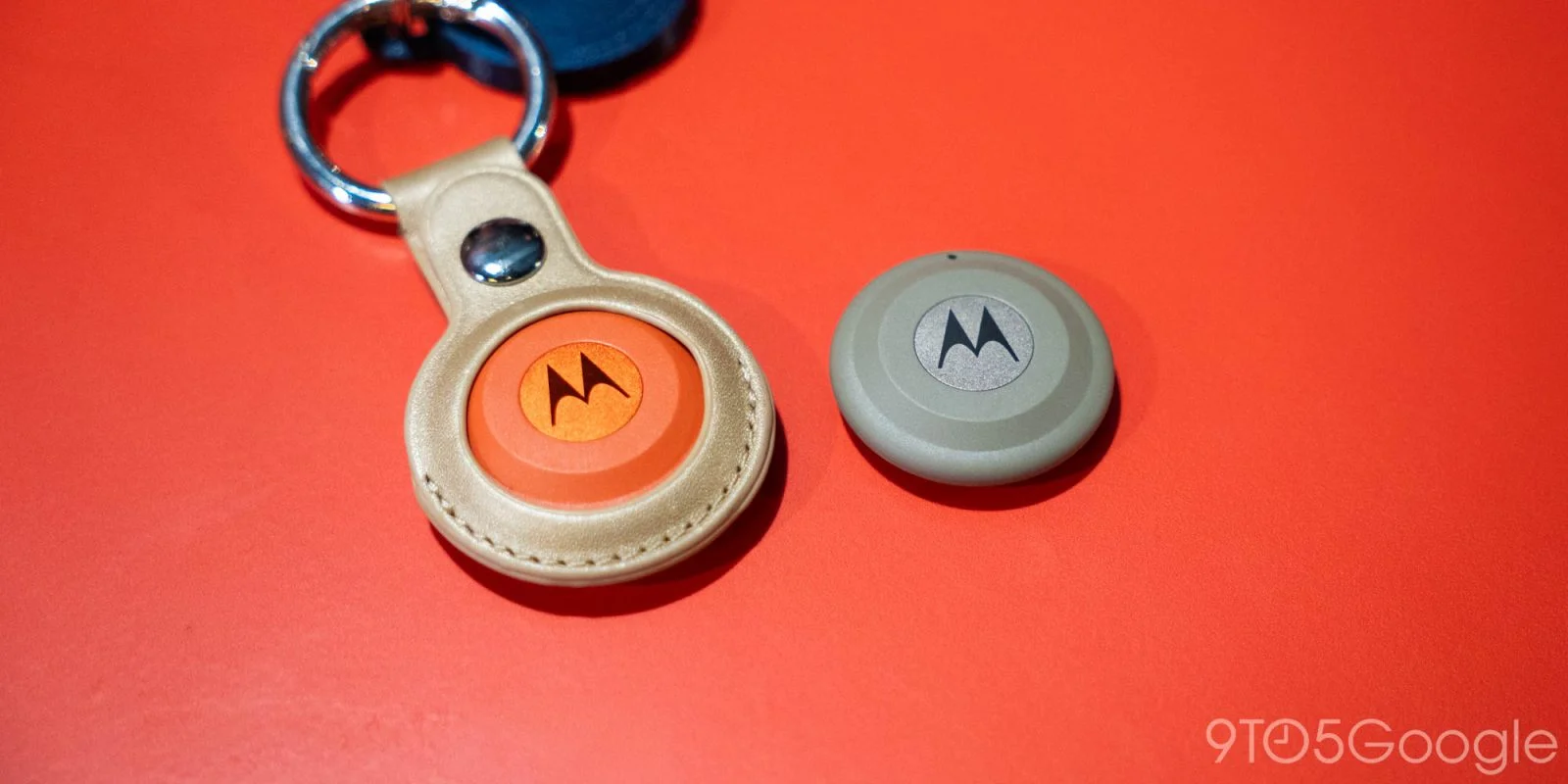
Motorola’s Moto Tag 2 stands out in the Android tracking sector, especially with its current price of $70 for a four-pack, making it a compelling option at around $17 per tracker. This affordable pricing strategy positions Motorola to compete effectively against a range of other options in the market. As consumers increasingly look for affordable yet efficient tech solutions, the Moto Tag 2 arrives as a strong contender.
Technological Advancements
The Moto Tag 2 is a notable improvement over its predecessor, featuring both Bluetooth and Ultra-Wideband (UWB) technology for precise tracking. UWB, in particular, represents a significant evolution in location tracking technology, as it allows for much more accurate positioning abilities compared to traditional Bluetooth. This tech development isn’t just about precision; UWB can provide spatial awareness functionalities, allowing devices to detect the direction of an object’s location rather than just an approximate distance. With many devices adopting this technology, from smartphones to smart home gadgets, the Moto Tag 2 places itself in a robust ecosystem that appeals to tech-savvy consumers.
Although Google’s upcoming Pixel Tag is expected to challenge this performance upon its release later this year, Motorola’s offer is currently more viable on the market. Google’s entry could intensify competition, especially considering its established user base with Android. However, until that product launches, Motorola has the opportunity to capture market share. Given that many consumers tend to stick with brands that have served them well, Motorola’s timely updates could solidify their hold in this segment.
Pricing Strategy
At Amazon, individual Moto Tag 2 devices are priced at $19.99, but the four-pack deal significantly reduces the cost to $70, a discount of $30 compared to Motorola’s official pricing. This strategic pricing not only incentivizes bulk purchases but also positions Motorola's products as accessible options for a broader audience. In an industry where some competitors mark up their pricing significantly for additional features or brand prestige, this move could appeal to budget-conscious consumers who may have otherwise opted for a less feature-rich solution.
Price is a critical determinant in the gadget market, especially as many consumers are becoming more selective about their electronics purchases. In a landscape flooded with choices, Motorola’s competitive pricing strategy becomes a central selling point. If you're working in this space, you understand that the right price can often sway a marginal deal into a runaway success, especially when combined with enhanced technology.
Market Context
The tracker category is booming due to increasing consumer demands for location tracking solutions for a range of everyday items—from keys to pets. With so many options on the market, including offerings from major players like Tile and Apple, customers are inundated with choices. Motorola's entry into this fray represents an effort to capture market share through combination tech and price differentiation. Similar systems typically face challenges in distinguishing themselves, given the success of established competitors who already enjoy brand recognition.
Another critical factor mitigating Motorola's entry into this competitive space is the shift in consumer behavior. Many people are now prioritizing not only price but the features that differentiate one product from another. The combination of Bluetooth and UWB presents a unique selling proposition that appeals directly to tech-oriented consumers who look for precision in their tracking devices. The importance of feature-rich solutions can't be overstated—consumers tend to gravitate towards products that promise high functionality and reliability.
Delivery and Purchasing Convenience
The shipment comes directly from Amazon, though there may be a slight wait for delivery. This detail is often overlooked but can be a point of contention for some potential buyers. Availability and shipping speed can make or break a deal in online retail, especially for those who want to get their hands on tech gadgets quickly. Motorola’s reliance on Amazon as a delivery partner is strategic; Amazon's extensive distribution network typically ensures a smoother transaction process. But, if customers face delays, it could lead to dissatisfaction, potentially impacting future purchasing decisions.
Future Outlook
Thinking about getting one?
The growing demand for tracking devices and the technological evolution that accompanies them suggests that the market will only get more competitive. As tech giants like Google gear up to enter the sector, Motorola’s Moto Tag 2 serves as a solid entry point to spark interest among budget-conscious consumers. Its price, combination of technologies, and ready availability could render a favorable reception.
Brands have to be cognizant of how quickly the market changes. Competition, prices, and consumer preferences can shift dramatically with the introduction of newer products or features. Will Motorola be able to keep the momentum if new, high-tech offerings emerge rapidly? That’s the challenge ahead.
Explore More Find Hub Options:
- Belkin introduces four new Android Find Hub trackers, including a wallet tracker
- New Pebblebee Loc8 tracker for bikes and golf clubs offers a 3-year battery life [Gallery]
- Find Hub for Wear OS now includes a basic 'Find people' feature
Connect with Ben: Twitter/X, Threads, Bluesky, and Instagram
Discussion
Sign in to join the discussion.