Ford has begun production of its Transit City electric van in China, aiming to meet European demands with significant specifications and deliveries set for year-end.
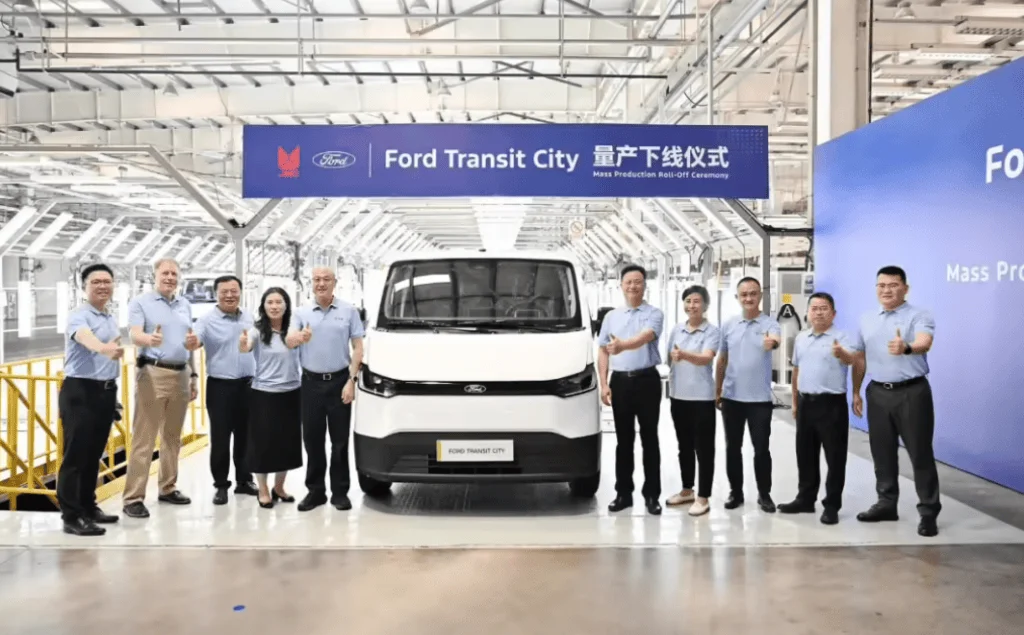
Ford's Transit City Electric Van Production
The Transit City electric van, Ford’s first battery-electric commercial vehicle designed for developed markets, has officially started production at Jiangling Motors’ Xiaolan facility in Nanchang, China. With around 1,000 units planned for export, the model is tailored to meet the growing demand in Europe. This is a notable move for Ford, as it signals a commitment to electrifying their commercial vehicle lineup, addressing a market that is increasingly shifting towards sustainability.
The Shift Toward Electric Commercial Vehicles
As more cities clamp down on emissions and push for greener transportation solutions, the commercial vehicle market is experiencing a seismic shift. Urban logistics, often marked by inefficient and polluting diesel fleets, are under scrutiny. In this context, electric models like the Transit City emerge not just as alternatives but as necessary solutions. Ford's decision to roll out this van in Europe highlights their responsiveness to these trends, aligning with the European Union's aggressive decarbonization goals.
Many cities across Europe are implementing low-emission zones. Companies using internal combustion engine vehicles face onerous penalties, or in some cities, outright bans. The demand for electric vans is not just a trend; it’s becoming a requirement for businesses increasingly focused on sustainability. This is a chance for manufacturers to capture a significant share of a rapidly evolving market.
Specifications and Market Plans
This van boasts a 56-kilowatt-hour lithium iron phosphate battery paired with a 110-kilowatt front motor, achieving a WLTP range of up to 254 kilometers while carrying a payload capacity of 1,600 kilograms. These technical aspects are particularly significant. They reflect Ford's understanding of what fleet operators need: efficiency, durability, and the ability to complete daily routes without the anxiety of range limitations. Fleet operators will likely appreciate these specifications; they must balance payload capacity with electric range in their procurement decisions.
With European pre-orders opened in the second quarter, initial deliveries are scheduled by the end of this year. This timeline suggests Ford is eager to get its products into the hands of customers who are ready to electrify their fleets. Competitors like Mercedes-Benz and Volkswagen have already established a foothold in this market, so Ford's entry needs to make a compelling case. If you're working in this space, you'll know that timing can be everything. Early movers often enjoy better visibility and customer loyalty—but the pressure is on to deliver in a timely manner.
Understanding the Competitive Landscape
When comparing the Transit City with competing electric vans, it’s clear that Ford is stepping into a crowded arena. Both established players and new entrants are aggressively expanding their commercial electric offerings. For instance, Mercedes’ eSprinter or Volkswagen's e-Crafter have already gained traction in the market. Meanwhile, newcomers like Arrival are trying to carve out niches with their own electric models.
Ford will need to differentiate the Transit City not just on specs but on service, support, and total cost of ownership. Critics might argue that many companies can hit similar numbers in terms of range and payload. What makes Ford’s proposition unique could be its extensive service network and brand reputation. After all, businesses often look for more than just a vehicle; they want reliability and support.
Long-term Sustainability Goals
Ford's push into electric commercial vehicles isn't merely about capturing market share—it's also about aligning with long-term corporate sustainability goals. The company has committed to achieving carbon neutrality globally by 2050. This electric van's production is a step toward greater sustainability and reducing the carbon footprint of commercial transport.
Moreover, this move reflects a broader industry shift. The automotive sector is facing immense pressure from regulators, stakeholders, and consumers to reduce emissions. Companies are investing heavily in electric technology and infrastructure, recognizing it as essential for future compatibility. And yet, while many companies share similar goals, not all are making the necessary investments. Ford's commitment to electrification, particularly in a traditionally diesel-dominated sector, positions them favorably among those who prioritize green initiatives.
Consumer Sentiment and Market Readiness
The success of the Transit City will also depend on consumer sentiment. As businesses shift towards electric vehicles, there's often skepticism regarding the transition from reliable combustion engines to newer technologies. Familiar concerns tend to revolve around battery life, charging infrastructure, and overall reliability. To counter this skepticism, Ford will need to educate both the market and its customers on the benefits of electric vehicles, emphasizing long-term savings and environmental benefits.
There's also a financial incentive at play. Governments throughout Europe offer substantial subsidies or incentives for electric vehicles, further sweetening the deal for fleet operators. Other manufacturers have taken advantage of these programs to attract customers. Ford would be wise to ensure potential buyers are fully informed about these financial benefits.
Implications and Future Outlook
The implications of Ford's Transit City debut go beyond the van itself. If the production and sales go as planned, it could signal a larger acceptance of electric vehicles within commercial markets. This is a watershed moment for Ford, which has historically been more associated with trucks and larger internal combustion engines. By successfully transitioning to electric, they could establish themselves as leaders in the commercial electric vehicle segment.
What this means for the future is multifaceted. As the infrastructure for electric vehicles improves—new chargers, better battery technology—we may see more companies invest in electric vans. Fleet operators could start demanding electric options more vigorously, especially as reliability, service networks, and ranges improve. This could potentially shift the entire market, moving it away from fossil fuels quicker than many analysts anticipate.
So, will Ford's Transit City Electric Van reshape the commercial vehicle market? It’s a possibility that's increasingly looking tangible. Still, execution will be key, as will customer receptiveness to fully embracing electric technology. A future powered by spacious cargo room and zero emissions is on the horizon, but the journey from here isn’t without its bumps.
Discussion
Sign in to join the discussion.