The upcoming iPhone Ultra may surprise users with front cameras positioned in corners, challenging the traditional design of previous models.
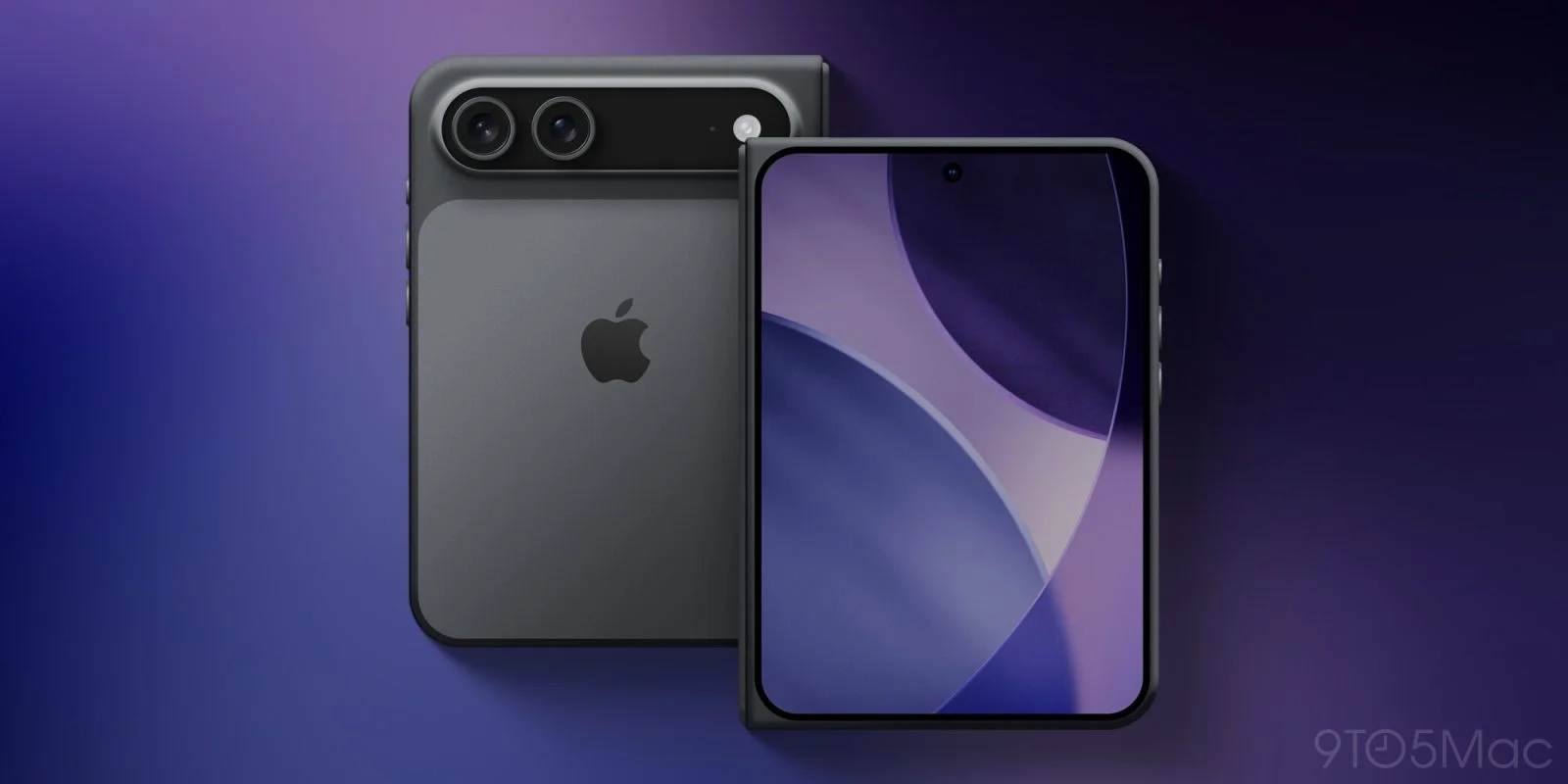
Apple's iPhone Ultra is set to make waves next month with notable shifts in design, particularly concerning its camera placements. As the company ventures into the foldable smartphone market, the device features a twin rear camera setup along with two front-facing cameras—an intriguing first for Apple. As foldable phones gain traction in the tech industry, Apple's entry could shift consumer perceptions and drive innovation further.
Unprecedented Camera Configuration
The dual-camera arrangement on the front is necessitated by the Ultra's foldable design, which includes an external and a larger internal display. Recent leaks have hinted at a departure from the customary centered front camera. Instead, a third-party screen protector surfaced online suggesting that the outer display’s camera might be located in the top-right corner, while the inner display’s camera could occupy the top-left corner.
This would mark a significant change from Apple’s historical design template, where front cameras have always been placed at the top center of the device. If validated, this unique positioning could require users to adjust their selfie habits, especially when capturing group photos. It’s unlike Apple to stray from its design philosophy, so this could signal a broader experimentation trend within the company.
It's important to consider the implications of this move. Apple has always engineered their products with a clear focus on user interaction. If confirmed, the camera relocation may reflect the challenges inherent in accommodating foldable designs. Given that the front cameras serve not only for selfies but also for face recognition and video calls, this shift represents more than aesthetic experimentation—it’s a pivotal moment in usability that could redefine how users engage with their devices.
Implications for User Experience
The adjustment in placement raises questions about usability. If the front camera is indeed off-centered, users could find themselves looking away from the intended camera, which might result in awkward selfies. In today’s social media-heavy environment, where selfies dominate personal expression, an off-center camera might frustrate users accustomed to posing comfortably with centered lenses.
For the inner display, the off-center camera placement may make practical sense, as positioning a camera directly at the fold could compromise the display's functionality. This is where the needs of design and user experience often collide. If you're working in this space, you'll recognize that functional compromises can lead to long-term shifts in user behavior. Apple won’t just redefine physical design; you'll see shifts in how selfies are conceptualized and executed.
(and this is the part most people overlook) If positioned poorly, users may instinctively revert to old photographic habits. Traditional camera placements have earned their place in user consciousness; altering that could generate unintended consequences. For instance, users might find themselves adjusting their angle or even their posture while taking selfies, leading to lackluster photo quality and potential frustration.
While it's conceivable that the accessory maker could have misinterpreted the design, the leak signals a potential shift in user interaction dynamics with the iPhone Ultra. The aesthetics of the device, combined with its functionality, are set to redefine how selfies are taken with iPhones. If the changes are confirmed, Apple could be initiating a re-evaluation of existing trends in mobile photography, highlighting the tension between innovative design and established user habits.
What are your thoughts on this possible move? Would a corner-mounted front camera significantly impact your experience with the iPhone Ultra? Share your opinions in the comments below.
*Shop at Apple with 15% discount on certified refurbished
Explore Top Accessories
- AirPods Pro 3 (now only $189, down from $249)
- MagSafe Car Mount for iPhone
- 10-year AirTag battery case
- 100W USB-C fast charging power adapter
- AirTag 2 (1-pack / 4-pack)
Significance and Future Outlook
The potential redesign of the iPhone Ultra's camera placement exhibits more than just Apple’s pursuit of novelty—it reflects the evolution of smartphone design toward foldable technology. Consumers are growing accustomed to significant changes in device functionality and aesthetics, which reshape their expectations. Apple's decision to experiment with novel configurations might influence competitors and drive more diverse designs in future models across the smartphone spectrum.
That said, this move risks alienating loyal users who value consistency and predictability in technology. If the corner-mount proves cumbersome or frustrating for regular use, Apple may face backlash. A shift of this nature hints at a larger conversation in the tech community about balancing innovation with user familiarity.
Looking ahead, the iPhone Ultra could serve as a litmus test for Apple’s ability to merge design innovation with practical usability. Success here might pave the way for more radical changes in future devices. Conversely, any missteps could serve as cautionary tales about the risks of diverging too far from established user preferences. As the smartphone category continues to mature, this moment serves as a reminder that even market leaders like Apple are navigating uncharted territory.
Ultimately, the outcome might redefine future smartphone configurations and the expectations we hold for mobile devices as they evolve to meet modern needs.
Discussion
Sign in to join the discussion.