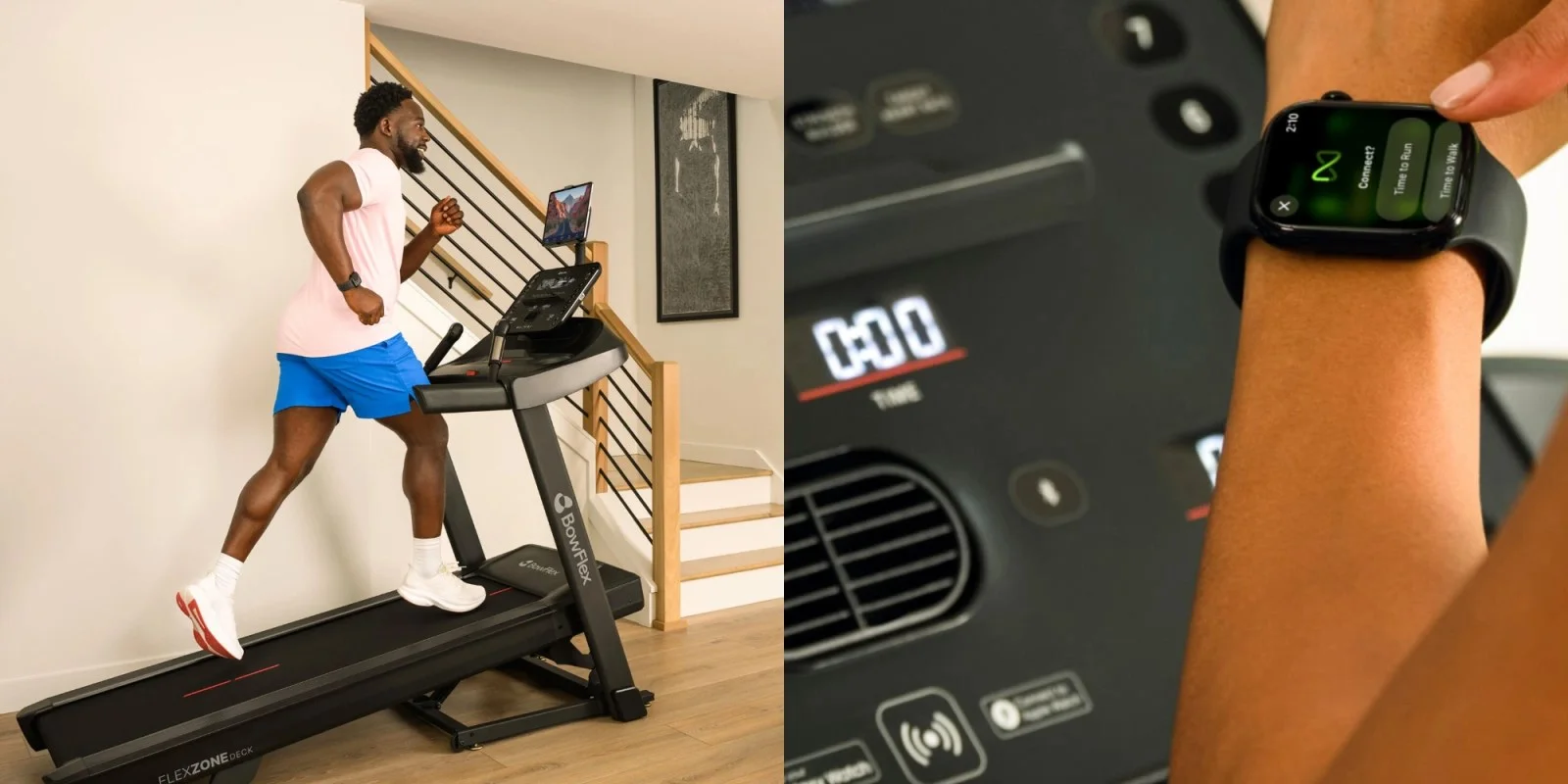
The BowFlex T6 treadmill combines Apple Watch compatibility with an attractive price point, making it a smart choice for fitness enthusiasts.
Optimizing Your Workout with Apple Watch
The integration of GymKit into fitness equipment enhances the experience for Apple Watch users. By allowing the exchange of workout data between the watch and machines like treadmills or ellipticals, GymKit provides a level of accuracy that neither device achieves independently. This is particularly valuable for avid fitness enthusiasts and casual users alike who seek data-driven insights to optimize their workout sessions. The collaboration between wearable technology and exercise machines reflects a growing trend toward personalized fitness experiences, leveraging data to drive improvements in performance and health outcomes.
GymKit's functionality hinges on the idea that effective training isn't just about how hard you push yourself, but how intelligently you do so. For instance, data such as heart rate, calorie expenditure, and time can be synced directly with your Apple Watch, allowing for real-time feedback that informs training decisions. Users can see exactly how their bodies respond to different levels of intensity and gauge their progress more accurately. With fitness trackers flooding the market, GymKit stands out by offering this streamlined communication between devices, which is more precise than many standalone fitness trackers.
Accessibility of GymKit-Enabled Equipment
While GymKit made its debut with watchOS 4 in 2017, finding compatible cardio machines has been a challenge. Early on, users felt confined to high-end machines, often branded with hefty price tags. Initially, if you wanted to tap into this tech-savvy workout regimen, you were looking at spending somewhere around $15,000 on a treadmill or elliptical. That’s a steep barrier for many consumers. The good news is that the availability of GymKit-enabled equipment has expanded significantly. Brands have begun to adapt to market demands, launching a broader range of more affordable options, which is a turning point for home fitness enthusiasts.
GymKit-compatible machines are now available at various price points, making them accessible to a wider audience. Users are no longer relegated to expensive gym memberships or luxury home gyms just to access this technology. This democratization of high-tech fitness equipment is changing the way people think about personal training at home. As these machines become more mainstream, it highlights an interesting shift within the fitness industry—brands are looking to integrate technology in ways that foster engagement and community, not just transactional services. Similar trends can be seen in technology uptake across various sectors, increasing availability means more users and greater overall adoption.
The BowFlex T6 Experience
This summer, I had the opportunity to test the BowFlex T6 treadmill. Priced around $1,000, it stands out not only for its GymKit functionality but also for user-friendly dial controls that simplify operation. It’s a compelling option for anyone looking to bring home a quality treadmill that syncs with Apple Watch. The design caters to both beginners and seasoned athletes, marrying usability with the sophistication of modern technology. The interface feels intuitive, allowing users to focus more on their workout and less on navigating complex settings.
The BowFlex T6 also acts as an excellent case study for the impact of GymKit on physical training regimens. Users can easily establish their fitness goals and track them over time, providing insights that can fuel motivation. One feature that particularly stood out during my testing was the adaptive digital interface, which automatically adjusts based on user intensity and real-time heart rate metrics. This brings a layer of customization to workouts that challenges can foster, enabling users to evolve their training as they progress.
Implications for the Fitness Industry
The rise of GymKit and its expanding compatibility with varied cardio machines could signify a larger trend toward integration in the fitness sector. As consumers increasingly seek personalized fitness solutions, manufacturers will likely continue innovating to fill this demand. Brands that invest in technology may find themselves at the forefront of an industry shift that emphasizes connectivity and interaction.
There's a burgeoning expectation for fitness technology that seamlessly caters to consumer preferences. This push for integration shows that people want their workout data not only to be available but also actionable. If you're working in this space, it's essential to consider how these new technologies can enhance your product offerings. The blending of equipment and wearable tech could lead to further advancements that empower users, making their fitness journeys more comprehensive and engaging. And this is the part most people overlook: the psychological boost of seeing real-time progress can significantly enhance commitment to fitness goals.
What this means for you is that if you invest in the right equipment now, you may find yourself ahead of the curve. As more companies adopt GymKit and similar technologies, the competition is likely to spur further advancements in features and functionalities. The user experience might become even more streamlined, leading to additional integrations that enhance how we perceive and manage our fitness journeys in the future.
Discussion
Sign in to join the discussion.