WhatsApp is introducing a username field for contacts, allowing users to enhance their identity beyond just phone numbers.
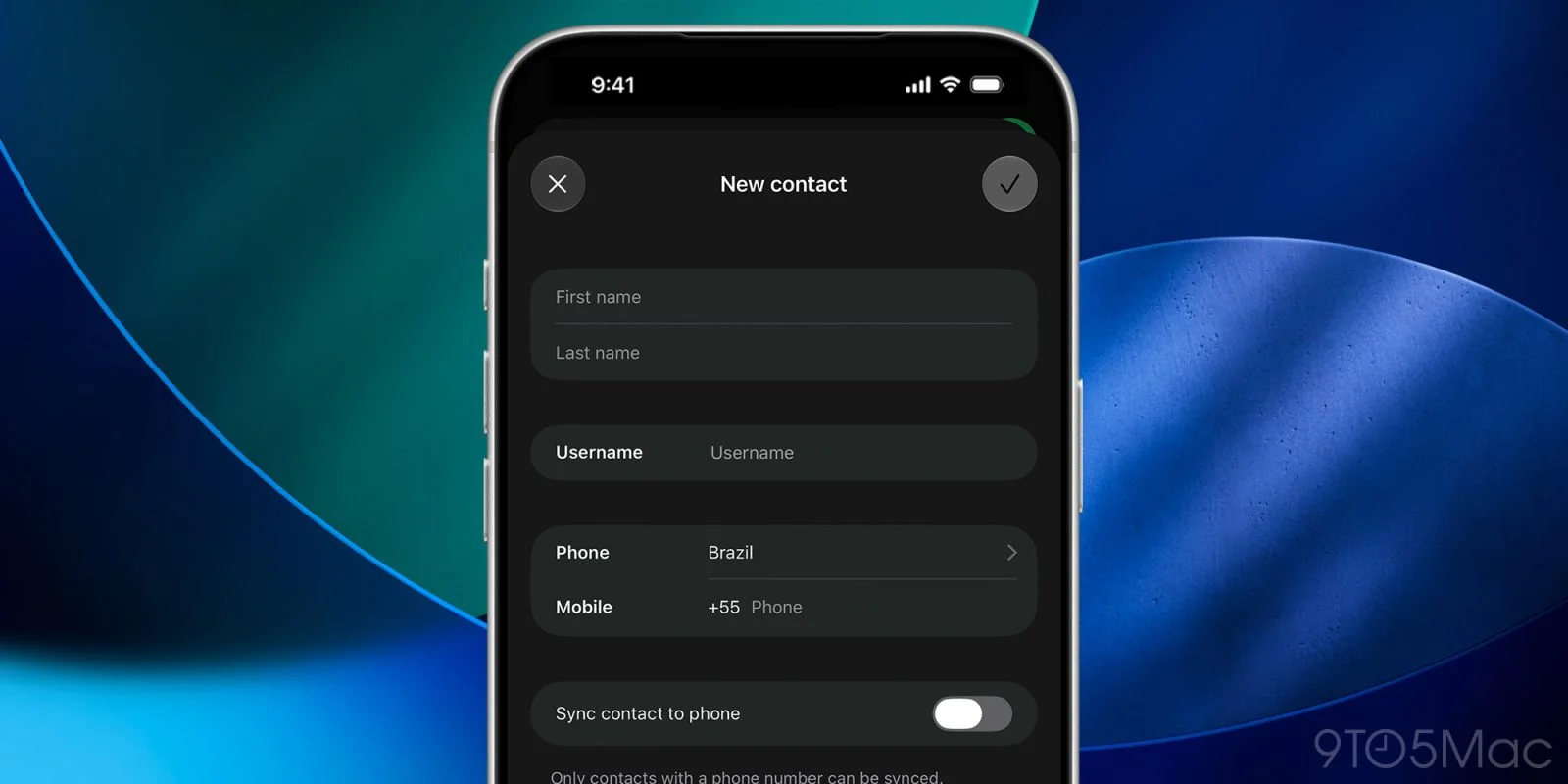
WhatsApp is taking a significant step toward modernizing user identification by introducing a new feature that allows contact usernames to be saved alongside phone numbers and names. This update signals a shift from the app's previous reliance solely on phone numbers for user engagement. In the age of heightened privacy concerns and the need for better online identity management, this change is more consequential than it appears at first glance.
Username Feature Rolling Out to Users
The introduction of usernames on WhatsApp, a feature commonly found in many messaging platforms, has been a long-awaited update. Earlier in the year, WhatsApp initiated a username reservation system that allowed users to claim their preferred handles, which was a proactive move to prevent impersonation and enhance privacy. This initiative shows WhatsApp's recognition of the growing importance of secure digital identities, particularly in a world where users are becoming increasingly wary of how their personal information is used.
Just weeks ago, select iPhone users began to see their usernames activated, paving the way for this latest rollout which enables users to include a username field when creating new contacts. This field can be found between the first name, last name, and phone number fields during contact creation. This addition not only streamlines the contact-adding process but also addresses issues of privacy and anonymity, providing users another layer of control over their interactions within the app.
The username field is integrated into a familiar interface. Users can access this feature by tapping the “+” button in the Chats tab and selecting “New contact.” While the layout remains largely unchanged, the new username option is now visible, allowing existing users to share their usernames alongside other contact information. Once this feature is fully operational, WhatsApp plans to auto-fill this field for new contacts created directly from the chat info screen.
Reports indicate that this feature is being gradually rolled out to both beta testers and stable version users of WhatsApp. However, there's a quirk: in testing the stable release, the username field appears but incorrectly displays a “This username is not on WhatsApp” message, even if the username exists. This bug highlights the common issues that can arise during testing phases and the importance of thorough quality checks before a full rollout.
A Response to Competitors
The addition of the username feature appears to be WhatsApp's effort to catch up with competitors who already offer this basic capability. Applications like Telegram and Signal have long allowed usernames, creating a more versatile user experience. This competition has undoubtedly pushed WhatsApp to enhance its offerings, especially as user expectations evolve with the digital communication landscape. Names and phone numbers aren't always sufficient identifiers. Users often want a more personal touch—something that can be done through unique usernames.
Enhancing user identification methods not only provides more flexibility but also aligns WhatsApp with current trends in digital communication, where usernames are essential for establishing a unique identity. If you're working in this space, you can see how critical this shift is for user retention and engagement. The ability to connect with individuals via usernames rather than sometimes-unfamiliar phone numbers helps foster a more personalized communication experience.
From a security perspective, this shift shouldn’t be understated. Users can opt to use a pseudonym rather than their personal number, making it harder for malicious actors to piece together their identity. This can deter phishing attacks and unauthorized access to accounts, a growing problem in the broader mobile communications sphere. However, this enhancement raises questions: How will WhatsApp ensure that these usernames aren’t also misused? Tracking and managing usernames to avoid impersonation or other forms of misconduct will be vital going forward.
Implications and Future Outlook
The changes WhatsApp is instituting may well set the tone for future updates. Users are more cognizant of their online identities than ever before, and enabling usernames reflects that trend. The rollout of this feature is just the beginning; you can expect future enhancements around visibility and user privacy controls as WhatsApp adapts to user feedback and industry shifts.
Digital communication is becoming an integral part of personal and professional interactions. As messaging platforms evolve, every new feature could have significant implications. By adopting this method of identification, WhatsApp not only enhances its functionality but also signals a shift towards more nuanced communications. This is an essential move, considering that many users might find the convenience of usernames appealing enough to sway their loyalty. And yet.
This isn't entirely a no-brainer. As users navigate through these transitions, concerns around the complexity and potential misuse of usernames arise. Will there be effective ways of reporting and handling username disputes? How will the platform manage identity verification? (and this is the part most people overlook). These challenges must be addressed to fortify user trust as WhatsApp establishes itself as a leader in safe and personalized messaging.
For more insights, check out the full report from WABetaInfo by following this link.
Discussion
Sign in to join the discussion.