Apple TV has added a selection of classic films to its streaming service, available to subscribers at no extra cost, enhancing its content library.
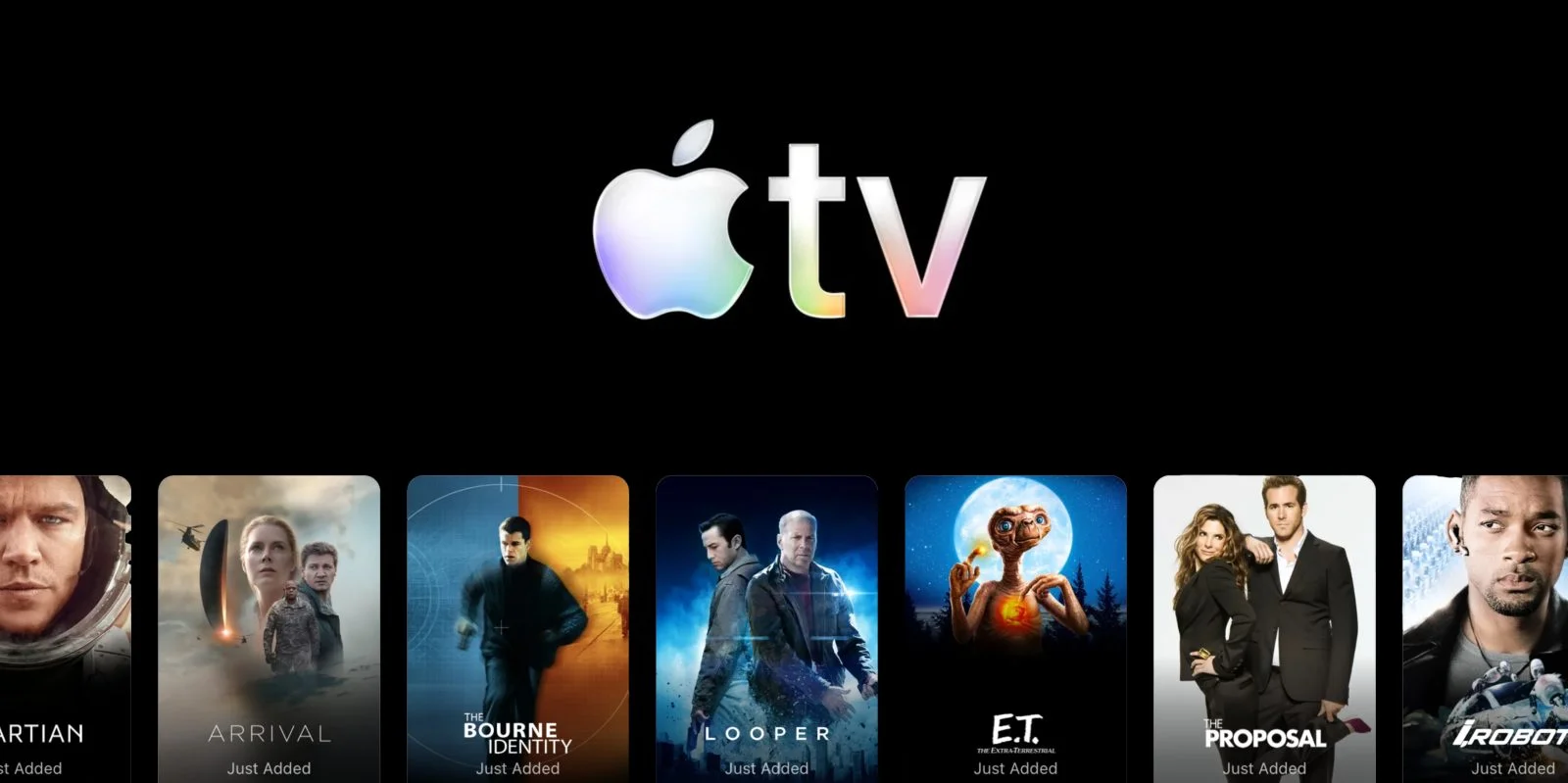
Apple TV's New Classic Film Collection
Apple TV, primarily known for its original programming, has broadened its content menu by introducing a variety of classic films available to stream free of charge for subscribers. This addition marks a potential shift in strategy as the platform seeks to enhance its appeal amidst fierce competition in the streaming market. With giants like Netflix and Disney+ dominating viewership, Apple seems to be recalibrating its offerings to attract a broader audience. By tapping into the nostalgia factor associated with classic films, Apple aims to not only retain current subscribers but also draw in new users who yearn for familiar cinematic experiences.
Limited Time or Permanent Addition?
The duration of this promotion remains uncertain. Apple previously trialed similar initiatives, which were short-lived. Whether this enhanced offering will be a permanent fixture or a fleeting promotion is something to watch closely. There’s a pattern with streaming platforms, where many attempt to entice subscribers with temporary boosts in content, only to retract them after a limited time. It raises a question: Are they committed to reshaping their catalog for the long haul, or is this just a tactic to spark short-term subscriber interest?
Many consumers today are wary of promotions that seem too good to be true, reminiscent of the free-trial offers that vanish after a month. Apple will need to tread carefully, as temporary offers can lead to subscriber frustration if they don’t materialize into more lasting improvements.
Finding the Classics
To locate these movies, users can explore the new "Great Movies Available Now on Apple TV" feature in the Apple TV app. Availability may differ across regions; however, subscribers in the United States, Canada, and the United Kingdom can currently enjoy several titles. This geographical division is a common challenge in the streaming industry, where licensing agreements can restrict content access. If you're working in this space, you'd know that understanding regional nuances can make or break the effectiveness of a service.
Highlighted Films in the U.S. Catalog
Some notable films included in the U.S. selection are:
- The Martian
- Arrival
- The Bourne Identity
- Looper
- E.T.
- The Proposal
- I, Robot
- Forgetting Sarah Marshall
- 21 Jump Street
- The Sixth Sense
- Gone Girl
- Zoolander
- Zodiac
- Charlies Angels
- Titanic
- Mission Impossible: Ghost Protocol
- A Beautiful Mind
- The Aviator
- The Rookie
Titles like Titanic and The Sixth Sense show that Apple is leaning into popular mainstream classics, likely to captivate a wider audience. An array of genres ensures there’s something for everyone, from thrillers to romances. This strategy could evoke sentiment among older demographics—those who have fond memories of the films—and attract younger viewers curious about these iconic titles.
Subscription and Access
These films, typically available for purchase or rental, are now tagged as “Just Added” for streaming with an Apple TV subscription. New users can take advantage of a seven-day trial. Standard pricing for Apple TV is about $13 monthly, or $99 annually. Subscriptions can also come bundled with Apple One, which includes a range of Apple services. This pricing strategy caters to diverse consumer preferences, providing flexibility for casual viewers as well as dedicated fans of the platform.
The free streaming of classic movies certainly adds value to subscriptions, but Apple will need to ensure that it maintains a steady influx of new content. The streaming competition isn’t just a race for volume; quality plays a critical role, too. If another service releases a critically acclaimed original series or film, Apple risks losing subscribers who feel that their subscription isn't worth it.
Viewing Experience
Subscribers can access content via the Apple TV app on devices like the iPhone, iPad, Mac, Android, and Windows or directly on the web at tv.apple.com. This cross-device compatibility reflects Apple’s commitment to creating a user-friendly interface, which can be a draw for potential subscribers. However, while it may sound appealing, it raises questions about the consistency of the viewing experience across platforms.
Some users report that streaming quality and speed vary across devices. Strong internet connectivity is vital, and not all users have access to high-speed broadband. In an era where streaming relies heavily on internet infrastructure, this disparity can hinder user satisfaction. (And this is the part most people overlook) — it’s not just about providing great content; it’s about delivering it effectively across all platforms.
Looking Ahead
This expansion into classic films adds to a library that already includes over 300 original titles, although Apple has garnered more acclaim for its TV series than for movies. The next feature film set to premiere is Mayday, an action-comedy starring Ryan Reynolds and Kenneth Branagh, slated for release this September. It looks like Apple is hoping to strike a balance between nostalgic classics and new, original content, but will that strategy resonate with viewers?
As the streaming landscape continues to evolve, Apple will have to navigate partnerships and licensing carefully to expand its film library. The success of this classic film initiative could lead to more daring content decisions in the future as it seeks to carve out a unique niche in the competitive streaming sphere. This current trend might also signify a larger movement in the industry toward reviving classic content as a means of capturing and retaining audiences in an age filled with instantaneous entertainment options.
Future Implications
The implications of Apple TV's new classic film collection are multifaceted. First, it demonstrates Apple's willingness to adjust strategies in response to market dynamics and user feedback. If successful, this initiative can become a prototype for future content expansions, guiding Apple toward more established or cult-hit films.
Secondly, a focus on classic films may inspire other platforms to reconsider their library compositions, pushing the envelope on what it means to engage audiences. Streaming wars aren’t won solely by original productions; understanding what viewers cherish from their cinematic experiences can play a significant role. What this means for you, as an industry player, is that terms of engagement will increasingly hinge on nostalgia—and the ability to harness that effectively could be a crucial determinant of success in this crowded arena.
At the end of the day, it’s an experimental phase for Apple TV. Only time will reveal if the incorporation of classic films is a trend that stands the test of time or one that fades as quickly as it arose.
Discussion
Sign in to join the discussion.