Matic's latest software update, Matic Cues, brings intuitive voice and gesture controls to its robot vacuums, enhancing the cleaning experience.
Enhanced Control with Matic Cues
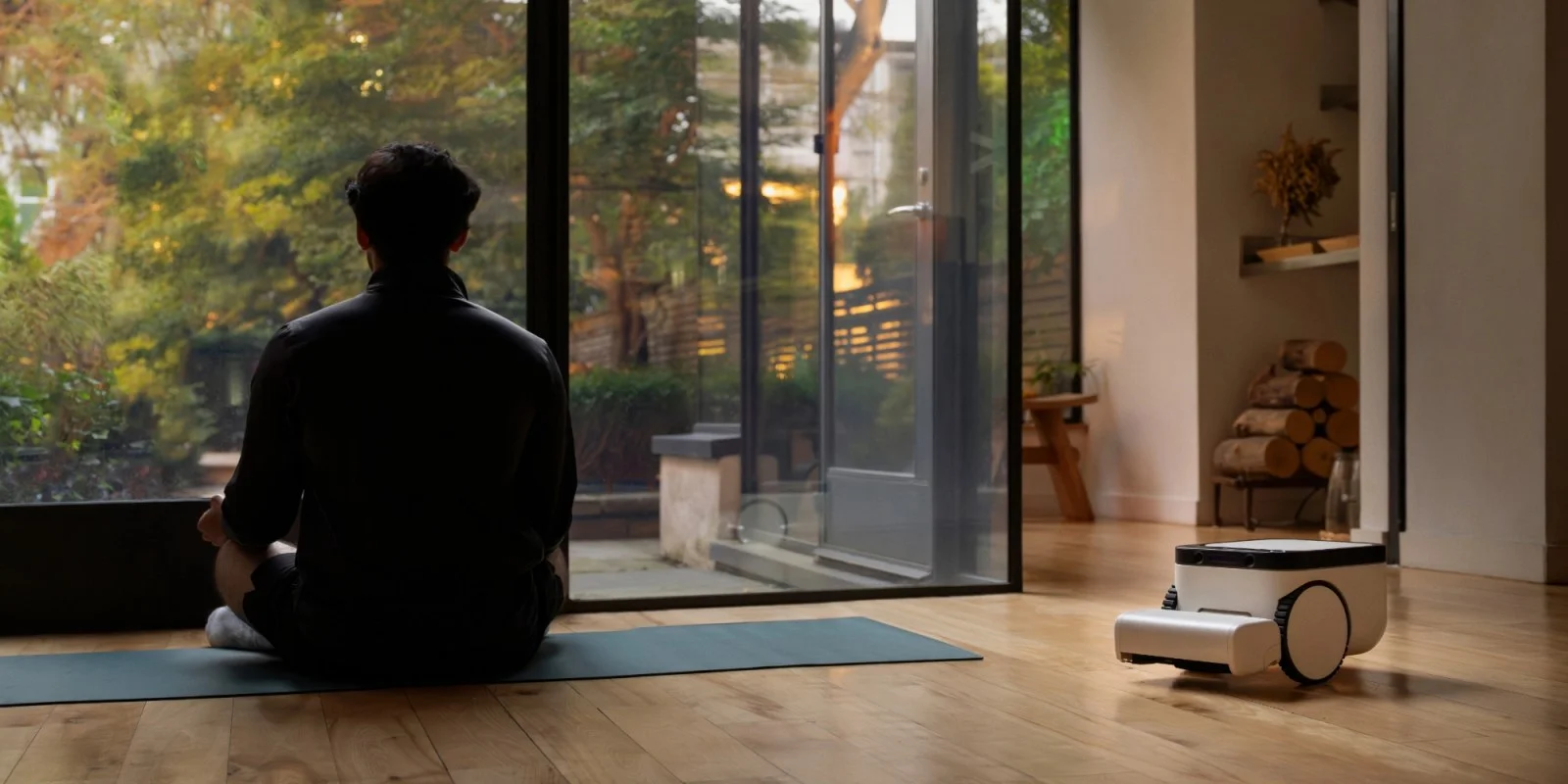
Matic has rolled out a significant software update, Matic Cues, introducing both voice and gesture controls to its line of robot vacuums and mops. This development allows users to command their devices without needing an app or unlocking their phones. The shift reflects a growing trend in smart home technology, where manufacturers aim to create more intuitive and direct interactions between users and their devices. As homes become increasingly connected, the importance of natural user interfaces continues to escalate.
Effortless Voice Commands
With simple voice commands, like saying, “Hey Matic, vacuum the kitchen,” users can initiate cleaning tasks directly. This direct interaction eliminates the need for intermediate devices, streamlining the user experience remarkably. Voice control is not just a gimmick; it represents a critical evolution in how we communicate with technology. It speaks to a broader desire for convenience, especially in scenarios where manual control might be cumbersome, such as when hands are dirty or busy.
It’s fascinating to see how advancements in voice recognition technology have paved the way for features like Matic Cues. Systems powered by natural language processing have become more sophisticated, enabling devices to understand context and user intent better. This isn’t just about recognizing commands but about establishing a more conversational relationship with machines, which many users find appealing. This is about more than just vacuuming; it’s about reshaping our interactions with all technology. If you're working in this space, thinking about user experience in these terms could open up new avenues for product development.
Multilingual Capability and Updates
Matic Cues supports commands in over 70 languages, making it accessible to a diverse range of users globally. This approach not only broadens the potential market for Matic’s products but also acknowledges that in a globalized world, user interfaces must resonate across different cultures and linguistic preferences. The feature is available through an over-the-air update for existing robots and is standard on all new models. This grants current users access to new functionalities without the need for additional purchases, enhancing customer loyalty.
But the multilingual aspect shouldn't be underestimated. Similar systems typically struggle with language variations, local dialects, and contextual commands. Matic's ability to tackle these nuances could give it an edge in emerging markets, where brand loyalty can be fickle. More importantly, as other tech companies scramble to catch up, Matic could serve as a blueprint for successfully integrating natural language processing into home automation products.
And yet, it’s essential to ask: will users embrace these features, or will they find them to be more hassle than they’re worth? The effectiveness of voice commands hinges not just on technology but on user familiarity and comfort with these systems.
Implications for the Smart Home Market
The emergence of Matic Cues is reflective of a larger paradigm shift in the smart home ecosystem. As more consumers invest in smart devices, the demand for integrated systems that require minimal effort will only increase. This pushes manufacturers to rethink not only functionality but also how devices interact with their users. No longer can tech companies rely solely on hardware specifications to sell their products; the focus must also shift toward enhancing user experience through intuitive software features.
This is more significant than it looks. The ability to control devices without intermediaries could help demystify technology for consumers who may be hesitant about smart home adoption. Imagine the impact on the aging population or those with mobility issues who could greatly benefit from such functionalities. As time goes on, you might find that Matic’s approach sets a new standard, compelling competitors to introduce similar features to remain relevant in an increasingly crowded market.
Looking ahead, the implications for developers are clear. The competition won’t just be about who has the most advanced robot vacuum but who can offer the most user-friendly experience. Companies that can innovate in this area may well be the ones defining the future of home automation. As Matic Cues sets the stage, it's important to consider how other, more established players in the market will adapt. Will they embrace this model, or will they lag behind? Only time will tell.
Discussion
Sign in to join the discussion.