Apple has officially designated the iPhone X and 15-inch 2018 MacBook Pro as obsolete, marking the end of hardware service and updates for these devices.
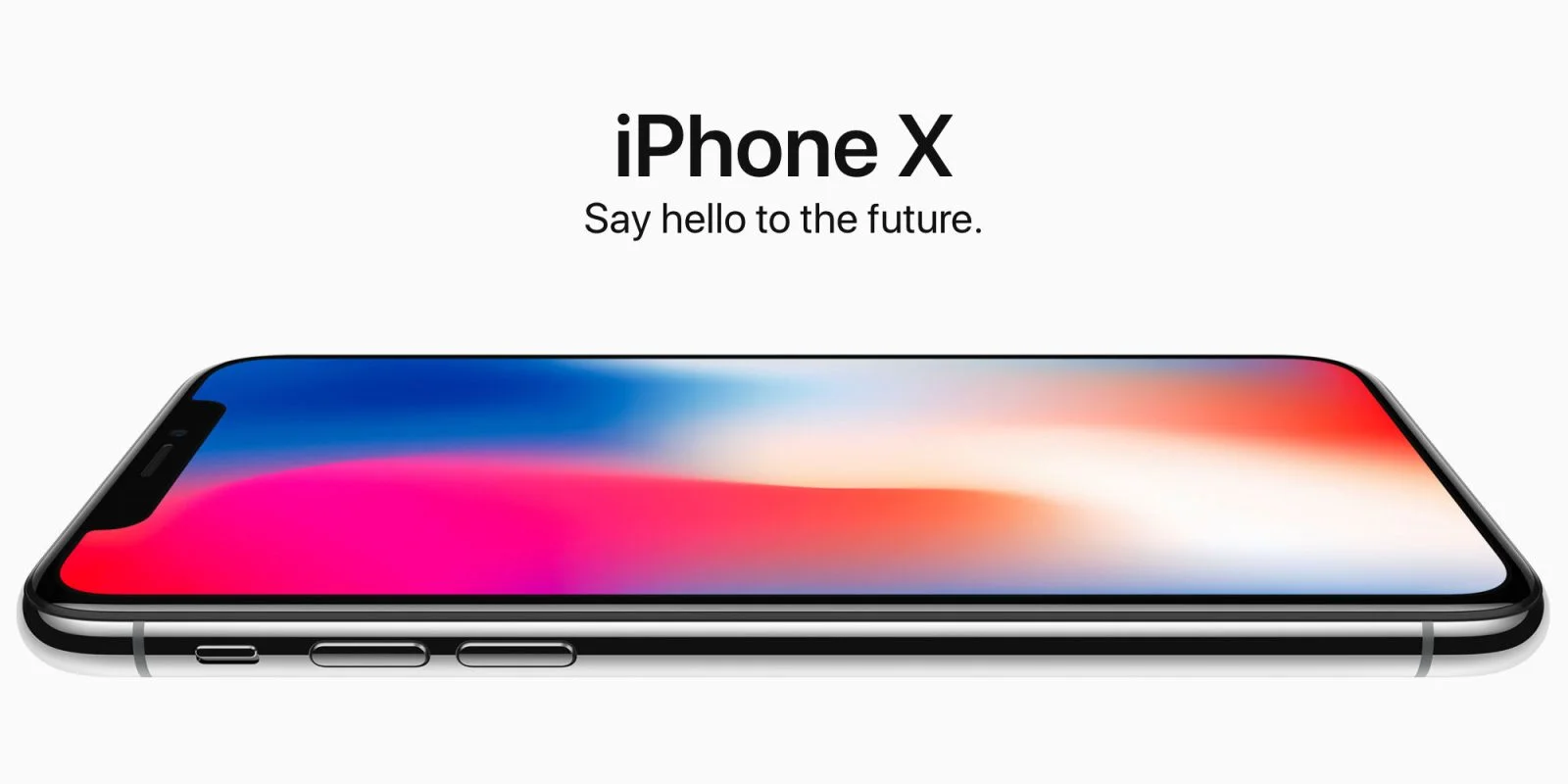
Apple has updated its product classification, moving the iPhone X and 15-inch 2018 MacBook Pro to its obsolete category. This shift signals the discontinuation of all hardware service and the inability for service providers to order parts for these models.
The Shift to Obsolescence
This isn't just a routine update; it highlights a significant shift in Apple's product lifecycle. Apple traditionally uses the term "obsolete" for devices that have been on the market for over seven years and for which the company no longer sells parts or provides support. The iPhone X, which debuted in 2017, is now considered obsolete because it falls outside this window of serviceability. Similarly, the 15-inch 2018 MacBook Pro has reached the same end of its life cycle. This change affects both everyday users and those who might rely on these devices for business. Without any form of support or access to spare parts, your once-valuable technology essentially loses all its usability.
Implications of Obsolescence
With the iPhone X now categorized as obsolete, it follows the discontinuation of its software support beginning with iOS 17, leaving users without recipients of crucial security updates. As it stands, users are stuck with iOS 16.7.16. Security holes in the software will remain unpatched, which could expose personal data. It's a reality that every tech enthusiast and professional should recognize: using an obsolete device isn't just about losing apps or features; it's about the increased risk to privacy.
The 2018 MacBook Pro finds itself in a similar situation. After being limited to macOS Sequoia, the model's effective usability dwindles to a halt with version 15.7.7 as its last significant update. This lack of ongoing software and hardware support means you'll likely see diminishing returns on performance. Many users are now forced to reconsider their reliance on older hardware. Apple's vintage list still includes devices eligible for some service, but those models are typically retired just 5-7 years ago. This stark classification signifies a clear transition away from support and accessibility.
The move to classify these devices as obsolete not only affects current users but also impacts the resale value and longevity of these models in the market. Second-hand buyers often seek assurance of longevity in electronics, and the reclassification makes the iPhone X and the 2018 MacBook Pro far less attractive as investment options. After all, a device without ongoing support is just a ticking time bomb for data loss and performance issues.
Consumer Response and Market Dynamics
So, how are users responding to this new classification? Anecdotal evidence suggests a mixture of frustration and resignation. Many consumers had hoped their devices would last longer, particularly given the steep prices associated with Apple products. Customers investing hundreds—or even thousands—of dollars in the latest tech often expect them to last for years. As the trend continues toward obsolescence, users might start reconsidering their loyalty to brands that don't offer longevity and support.
You might wonder: what does this mean for you if you're still using these older models? Simply put, you might want to consider an upgrade. The push to upgrade could be more pronounced since existing hardware service options are diminishing. Apple’s support page can supply essential insights into its vintage and obsolete classifications, allowing customers to understand when they need to act. Keep an eye out for the exceptions whereby service might be extended—those typically permit up to a decade of serviceability, but that doesn’t apply to models like these.
Future Outlook
As we consider where the market might be headed, the implications of this obsolescence move are significant. If you're working in the tech space, you need to recognize that planned obsolescence is a core strategy for many tech companies, largely to drive sales of new devices. Apple has mastered the art of creating a device ecosystem that encourages consumers to regularly upgrade. This strategy will continue to drive sales, as reliance on the latest software and services often means sacrificing older hardware.
The landscape's evolution might not favor companies that fail to provide robust long-term support. As more consumers become aware of these classifications, there could emerge a backlash against brands that impose strict obsolescence periods. This trend becomes particularly relevant as environmental consciousness grows and consumers look for more sustainable options. Those brands able to strike a balance between innovation and longevity may have a competitive edge.
To explore Apple's complete list of obsolete and vintage products, refer to the official support page.
Discussion
Sign in to join the discussion.