The upcoming tvOS 27 brings AI enhancements and drops support for older models, making an upgrade to the new Apple TV 4K increasingly appealing.
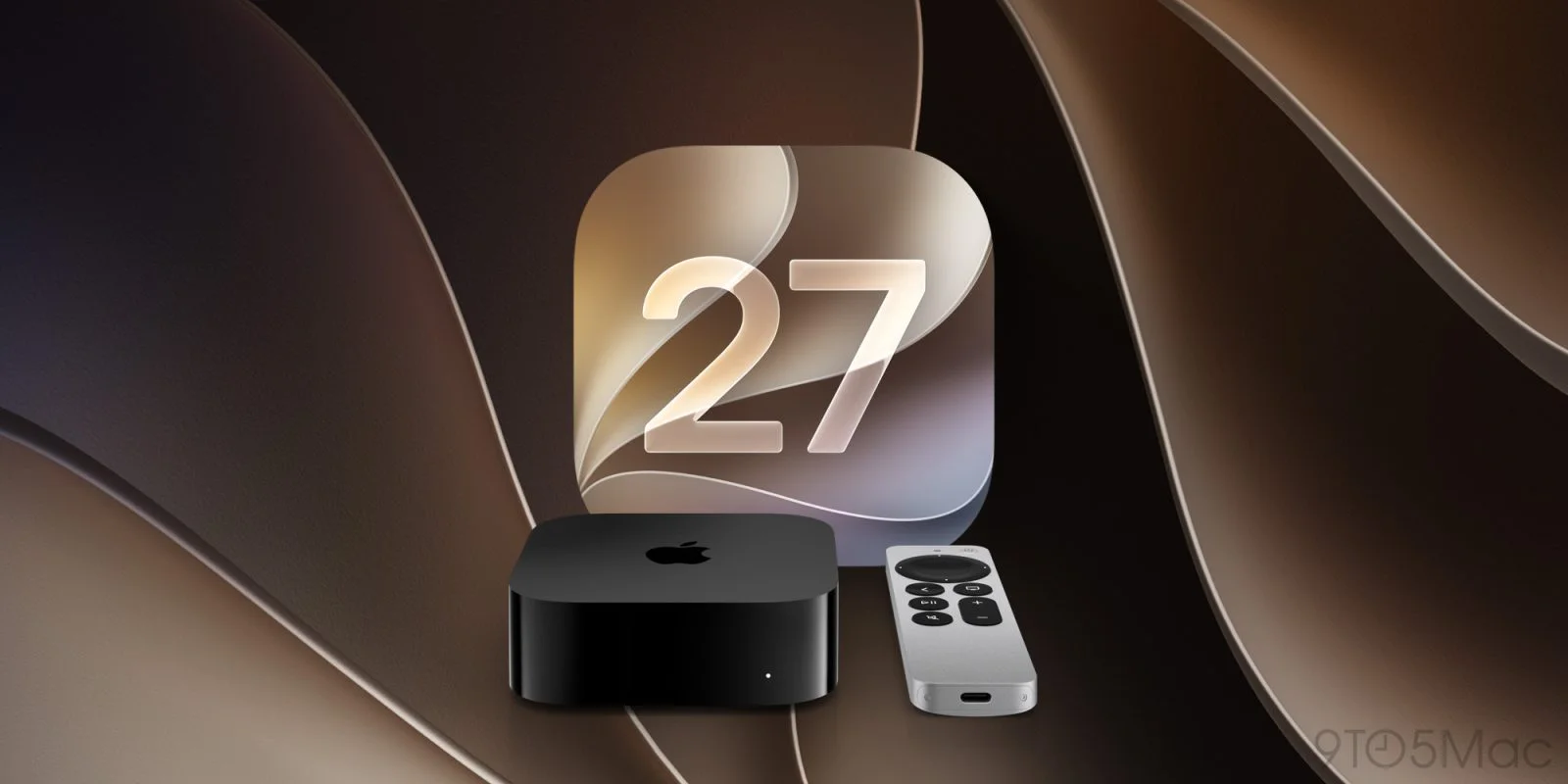
With the launch of tvOS 27 on the horizon, Apple TV users may find themselves tempted to upgrade their devices. This upcoming software version promises noteworthy enhancements that could significantly elevate the user experience. Apple has always positioned its products as part of a cohesive ecosystem, and the new updates seem poised to reinforce that strategy.
Siri's AI Upgrade and Model Support Changes
A standout element of tvOS 27 is the anticipated integration of advanced AI functionalities, particularly through an upgraded Siri. Initially unveiled at WWDC, this new Siri experience aims to deliver capabilities similar to those available on other Apple platforms. However, it appears that these enhancements will be exclusive to the upcoming Apple TV 4K and HomePod hardware, leaving previous models in the dust.
This represents a significant pivot for Siri, which has struggled to compete with voice assistants from Amazon and Google in the past. Apple seems to be betting that an improved Siri will enhance user engagement, offering not only better voice recognition but also more contextual awareness when it comes to user requests. Currently, Siri on Apple TV often feels limited in scope, handling basic commands but frequently faltering on more complex queries. This shift could considerably enhance the assistant's usability, transitioning into a more capable role within users’ home entertainment experiences.
Another critical piece of the puzzle is the decision to drop support for older models like the Apple TV HD and the first-generation Apple TV 4K. While it’s not unusual for tech companies to phase out support for outdated hardware, Apple’s approach may leave a sizeable segment of its user base feeling abandoned. Many households still operate these older devices, and the lack of a software update could feel like a forced upgrade, which isn’t always well received. Users may feel pressured to update, especially as the new software won't offer a route back for them. This kind of transition is often a double-edged sword, providing room for innovation while simultaneously alienating loyal customers who may not be ready to make the jump.
Timing Is Everything for Hardware Upgrades
The combination of robust AI features and the lack of support for legacy models suggests that now could be the ideal moment for those holding onto outdated devices to consider an upgrade. The release of tvOS 27, paired with the revamped Apple TV 4K, emphasizes Apple's desire to push users towards newer hardware. If you're working in this space, the appeal of enhanced functionality via the new Apple TV 4K, alongside the forthcoming software changes, presents a compelling case for purchasing new hardware. It forces a critical question for users: Do you keep your current model and lose out on the latest features, or do you choose to upgrade and step into a more integrated Apple ecosystem?
The anticipated release of the new Apple TV 4K, alongside tvOS 27, sparks excitement about a more cohesive Apple experience. You'll find this approach not only elevates the usability of individual devices but also enhances the synergy among different Apple products. The hope is that the new TV software could integrate more deeply with other platforms like iPhone and iPad, creating a unified command center for your home entertainment.
Recommended Accessories for Your Apple TV 4K
- AirPods Pro 3 (now only $189, down from $249)
- Anti-slip silicone case for Siri Remote, AirTag compatible
- TotalMount for mounting Apple TV
- iPhone Continuity Camera mount for Apple TV
Implications and Future Outlook
The changes brought about by tvOS 27 and the new Apple TV 4K represent more than just a technical upgrade; they signal Apple's intention to redefine streaming and home entertainment. By placing strong emphasis on AI advancements, Apple is aligning itself with broader industry trends that prioritize personalized user experiences and smart home integration. However, the heavy-handed approach to phasing out older hardware could backfire, generating frustrations among users who feel caught in a cycle of perpetual upgrades.
But here’s the thing: this isn’t just about technology; it’s about how consumers relate to their devices. As users become more accustomed to seamless interactions across ecosystems, they may be more willing to invest in Apple's newer hardware, despite the short-term discomfort of losing older devices. The concern is, though, whether these upgrades will really deliver the promised enhancements. If the new AI functions aren't as revolutionary as advertised or don’t dramatically improve usability, Apple risks disappointing a segment of its user base.
All said, the future for Apple TV and tvOS looks promising, but not without its pitfalls. For tech enthusiasts and casual users alike, it will be fascinating to observe how this launch influences consumer behavior in the coming year. The tension between innovative progress and customer retention will remain an ongoing theme as Apple navigates these changes.
Discussion
Sign in to join the discussion.