As Tim Cook prepares to step down as Apple CEO, he shares insights on his legacy and the company's manufacturing efforts in a recent interview.
The End of an Era for Apple
Tim Cook is nearing the conclusion of his tenure as Apple’s CEO, with John Ternus set to take the helm on September 1. This change marks a significant transition not just for Apple, but for the tech industry as a whole. Cook's leadership has spanned more than a decade, during which he's led Apple to unmatched heights in terms of revenue, product diversity, and brand loyalty. The ripples from Cook's departure will be felt well beyond Cupertino.
In many ways, Cook’s era has defined what modern technology leadership looks like. He took over from Apple co-founder Steve Jobs in 2011, under circumstances that were anything but straightforward. Cook opened up Apple to new markets, expanded its manufacturing base, and instituted practices that put a heavier emphasis on ethics and environmental sustainability. These shifts weren’t just corporate strategizing; they became part of Apple’s public identity. Cook harnessed the burgeoning concern about climate change and social responsibility to bolster Apple's reputation. It’s hard to argue that he hasn’t positioned the company as a global leader, but his departure raises questions about how Apple will navigate the next chapter.
Building a Legacy
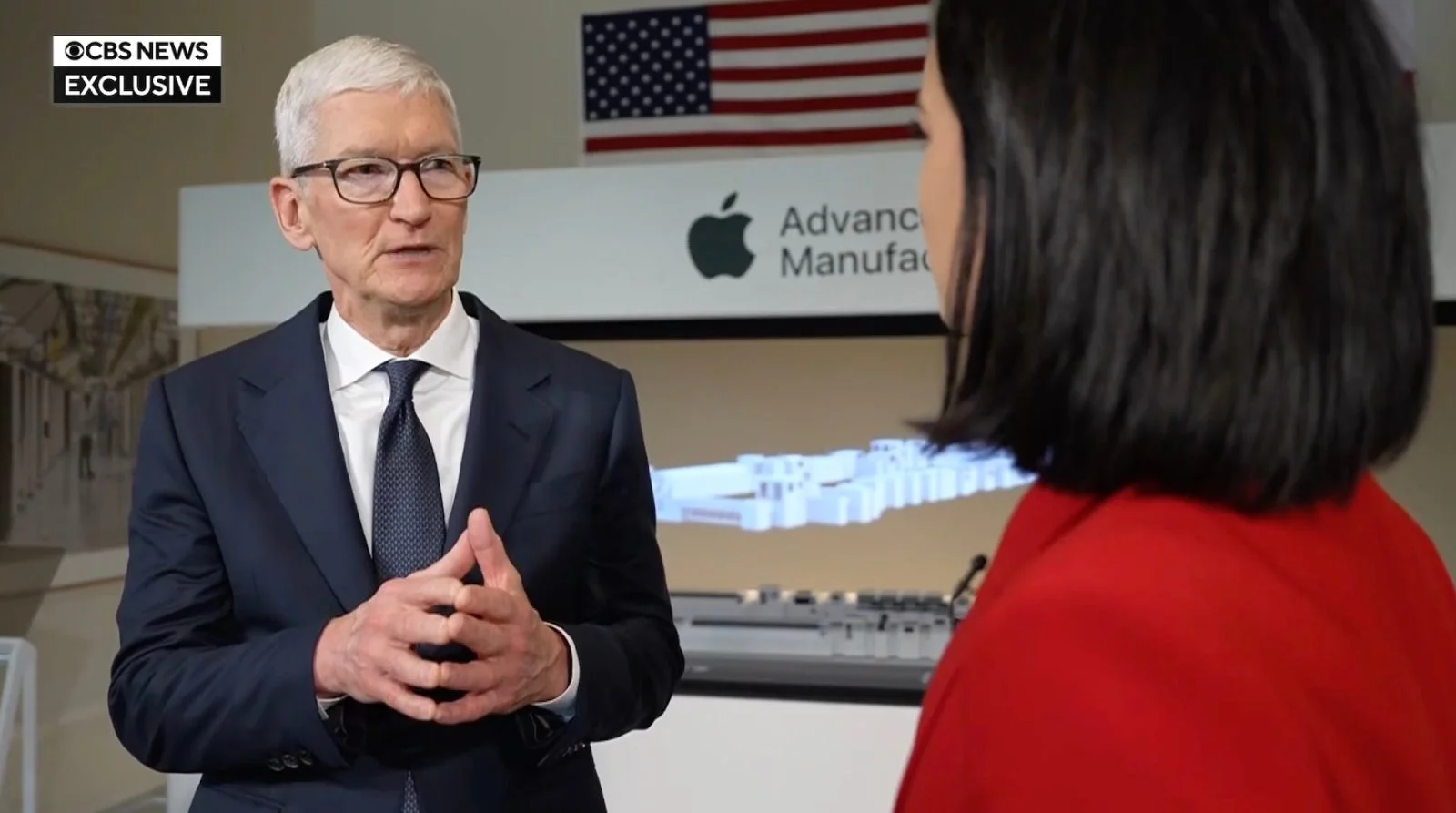
The interview coincided with the unveiling of Apple’s new Advanced Manufacturing Center in Texas, which serves as a key element of Cook's legacy. This center emphasizes Apple's commitment to American manufacturing, signaling a shift back towards domestic production that resonates with consumers concerned about offshoring. Making this choice isn't merely a business strategy; it's a public relations gesture aimed at bolstering local economies and job markets.
When asked about how he views his legacy, Cook stated, “Your legacy is described by others, not yourself. I hope that people say I was a good and decent man. And if they say that at the end of the day, I feel like I have achieved something.” This modest reflection underscores a hallmark of Cook's leadership style: an emphasis on values over ego. While other tech CEOs may revel in flashy accolades, Cook seems to find solace in ethics and community impact. This approach has, more often than not, helped soften criticism directed at Apple over issues like labor practices or environmental concerns.
Addressing Product Pricing Challenges
During the conversation, Apple COO Sabih Khan also addressed recent price hikes on devices such as the iPhone and Mac. Price increases are never a popular decision among consumers, and Apple’s willingness to raise prices speaks to broader economic pressures. Khan attributed these increases, in part, to an unprecedented rise in memory costs, which is not an isolated issue but rather one that underpins a significant challenge across the tech industry. Component shortages have plagued several manufacturers, making it increasingly difficult to stabilize pricing.
This isn't merely an obstacle for Apple; it’s reflective of supply chain disruptions experienced worldwide. While Apple is actively collaborating with its supply chain partners to mitigate these cost increases, the question remains: how long can they maintain this approach without alienating a consumer base that has grown accustomed to relatively reasonable pricing? If you're working in this space, you know that consumer patience has its limits, and the tech market isn't forgiving when it comes to price hikes. The current landscape suggests that companies must find a balance between maintaining profits and keeping customer loyalty intact.
The intricacies of supply chain management and pricing strategies will be essential as Ternus takes over. It’s a tightrope walk that requires agility and foresight—qualities that will define his own legacy moving forward. The pressure will not only be on Ternus to uphold Cook's achievements but also to innovate under constraints that appear likely to remain. Many will be watching closely.
For those interested, clips from the interview can be viewed below or on the CBS News website.
Featured Products
- AirPods Pro 3: $189 (Reg. $249)
- Bring wireless CarPlay to any car
- “Apple: The First 50 Years” by David Pogue
- Logitech MX Master 4
- Belkin 3-in-1 MagSafe Charger
- Beats Woven USB-C Charging Cables
Follow Chance: Threads, Bluesky, Instagram, and Mastodon.
Implications and Future Outlook
The upcoming transition in leadership at Apple could very well redefine not just the organization's internal strategy but also how it engages with an increasingly skeptical public. John Ternus inherits a complex set of challenges, especially as consumer sentiment shifts in response to economic pressures. Will he uphold the social responsibility initiatives Cook has emphasized? Or will he lean more heavily into profit maximization, potentially alienating Apple's core base?
Beyond product pricing, Ternus will need to wrestle with the competitive landscape that continues to shift, especially with rivals like Samsung pushing the envelope on technology and design. This isn’t about merely keeping the ship afloat; it’s about steering it through ever-choppy waters. The tasks ahead necessitate a visionary approach, one that considers product innovation, ethical manufacturing, and consumer trust.
And there’s something else. As consumers become more aware of their purchasing choices, issues like sustainability and ethical production are becoming focal points rather than mere talking points. How Ternus addresses these concerns will likely play a significant role in shaping product perception and, ultimately, sales. This isn't just about meeting market demand; it’s about defining a philosophy that extends beyond profit and into public goodwill.
In this pivotal moment for Apple, the question remains: will the company continue to champion the ideals it has come to represent, or will it pivot in ways that may erode the goodwill built up over Cook's tenure? Only time will reveal the answers.
Discussion
Sign in to join the discussion.