WhatsApp is set to introduce customizable emoji reactions on iOS, allowing users to personalize their reaction trays for enhanced communication.
Recent developments in the latest beta version of WhatsApp for iOS indicate that users may soon have the ability to personalize their emoji reactions. This feature, still in testing phases, promises a more tailored communication experience for users.
Customizable Emoji Reactions in Testing
According to findings from WABetaInfo, the latest TestFlight build of WhatsApp introduces a "Default reactions" setting. This feature allows users to customize the emojis that appear in their reaction tray when long-pressing a message. This adjustment aligns with a growing trend within messaging applications to empower users with more personalization options, something many have come to expect in their digital interactions.
The current standard emoji reactions include 👍, ❤️, 😂, 😮, 😢, and 🙏, followed by a selection of recently used emojis. Users can also opt to tap the + button for a wider emoji search. With the anticipated update, users could replace these six default reactions with any emoji of their choice, significantly enhancing the personalization options. The ability to choose reactions that resonate more personally can contribute to a richer communication experience—one that reflects individual styles and moods rather than sticking to a generic set.
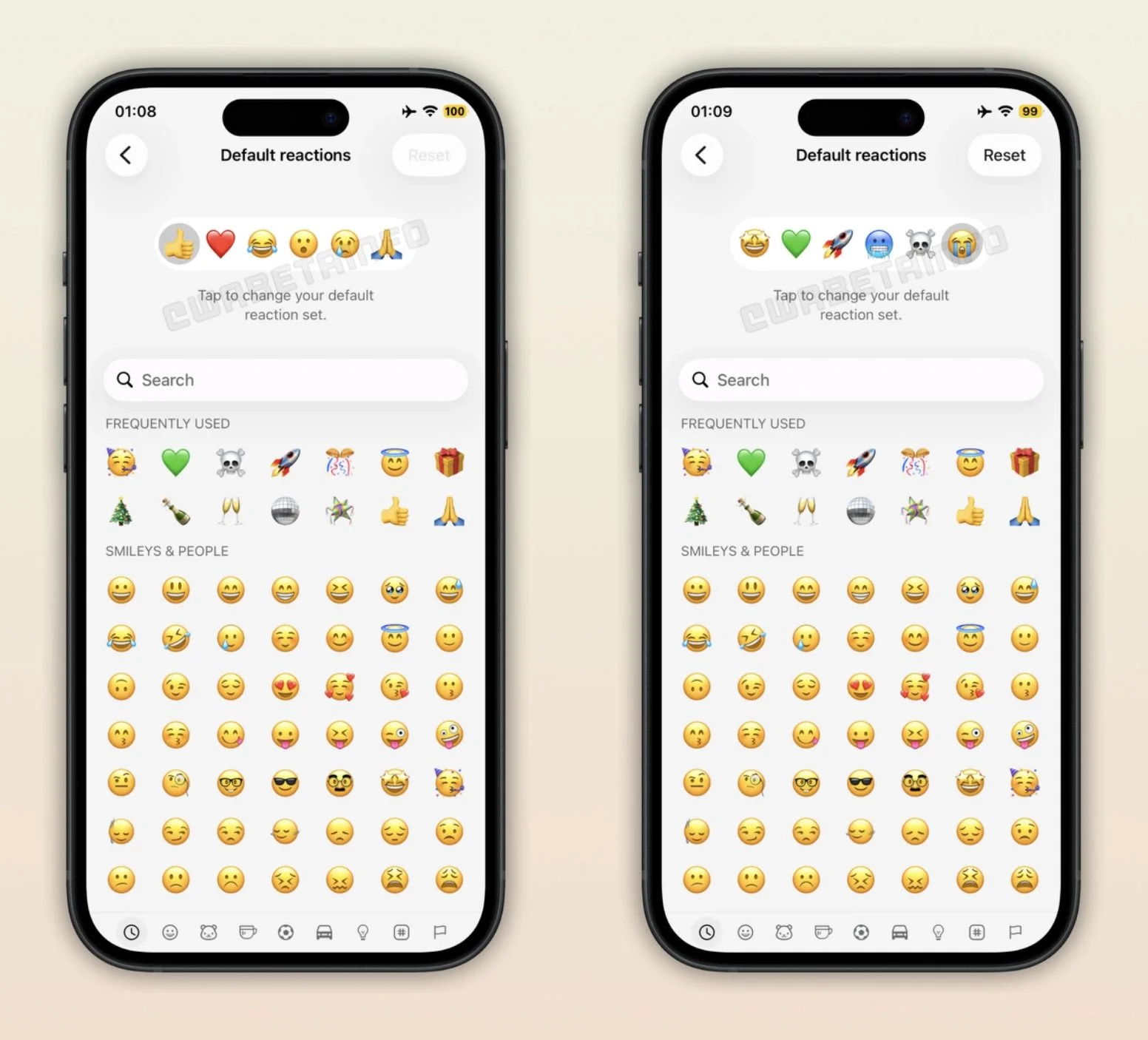
In a forthcoming update, WhatsApp will address user preferences for emoji reactions, empowering them to manage their reaction trays directly through the app's settings. Image comparisons show both a standard set on one side and a customized version on the other, highlighting the flexibility users will have. Users can select alternatives from the emoji keyboard and are able to revert to the original set at any time.
This isn’t just about aesthetics; it reflects a deeper shift in how we communicate digitally. Contextual emoji can change the tone of a conversation, allowing users to convey feelings and nuances that text alone may fail to capture. Rather than opting for the same tired options, people will have the freedom to express more genuine sentiments through tailored selections. (And this is the part most people overlook.)
The Role of Emoji in Modern Messaging
Emoji reactions have become a staple in modern messaging, adding color and emotion to otherwise stark text. Platforms like Facebook Messenger, iMessage, and Telegram already offer various degrees of emoji integration, reflecting preferences for more vivid and expressive communication. These emoji add a layer of engagement that simple text often lacks. They can clarify intent, infuse humor, or soften criticism. Thus, catering to individual preferences could be a strategic move for WhatsApp to keep pace with competitors.
Enabling custom emoji options could also lead to interesting applications in user engagement strategies. If users choose emojis that resonate more with their personality or specific inside jokes, it can foster deeper connections within social groups. This serves as a subtle yet significant enhancement to user interaction, encouraging continued use and loyalty. What this means for you is that the way you react in chats might soon feel less like following a script and more like embracing your own voice.
Implications for User Experience and Business Strategy
The introduction of customizable emoji reactions carries weight beyond user satisfaction—it could potentially reshape WhatsApp's position within the crowded messaging market. As applications vie for attention and usage, features that enhance personalization can be a decisive factor in attracting and retaining users. WhatsApp's competitors may feel pressured to adopt similar personalization features, as users increasingly favor platforms that respect individuality in their communication tools.
While this feature is not yet accessible to beta testers, the presence of similar indicators in the Android version suggests that WhatsApp could roll out this personalization option fairly soon. As this development progresses, users can expect more control over how they express themselves through reactions in their chats. The urgency for platforms to innovate constantly means that anticipation around this feature could also ignite discussions about what else might be on the horizon. Are other, more profound changes coming to the platform? Or will this remain a cosmetic improvement? Fine-tuning user engagement through personalization isn't merely a trend—it's an expectation.
Looking beyond this beta test, it opens a door to the broader conversation about how digital communication continues to evolve. Messaging apps are no longer just about sending text; they’re becoming platforms for self-expression. The future of communication may be less about efficiency and more focused on emotional resonance. Whether that translates to greater market share for WhatsApp or simply enriches user experience, only time will tell.
For the complete insights, visit WABetaInfo's detailed report here.
Discussion
Sign in to join the discussion.