Discover Apple's latest developments in smart home technology, including upgraded HomePods, a new smart hub, and more accessories on the horizon.
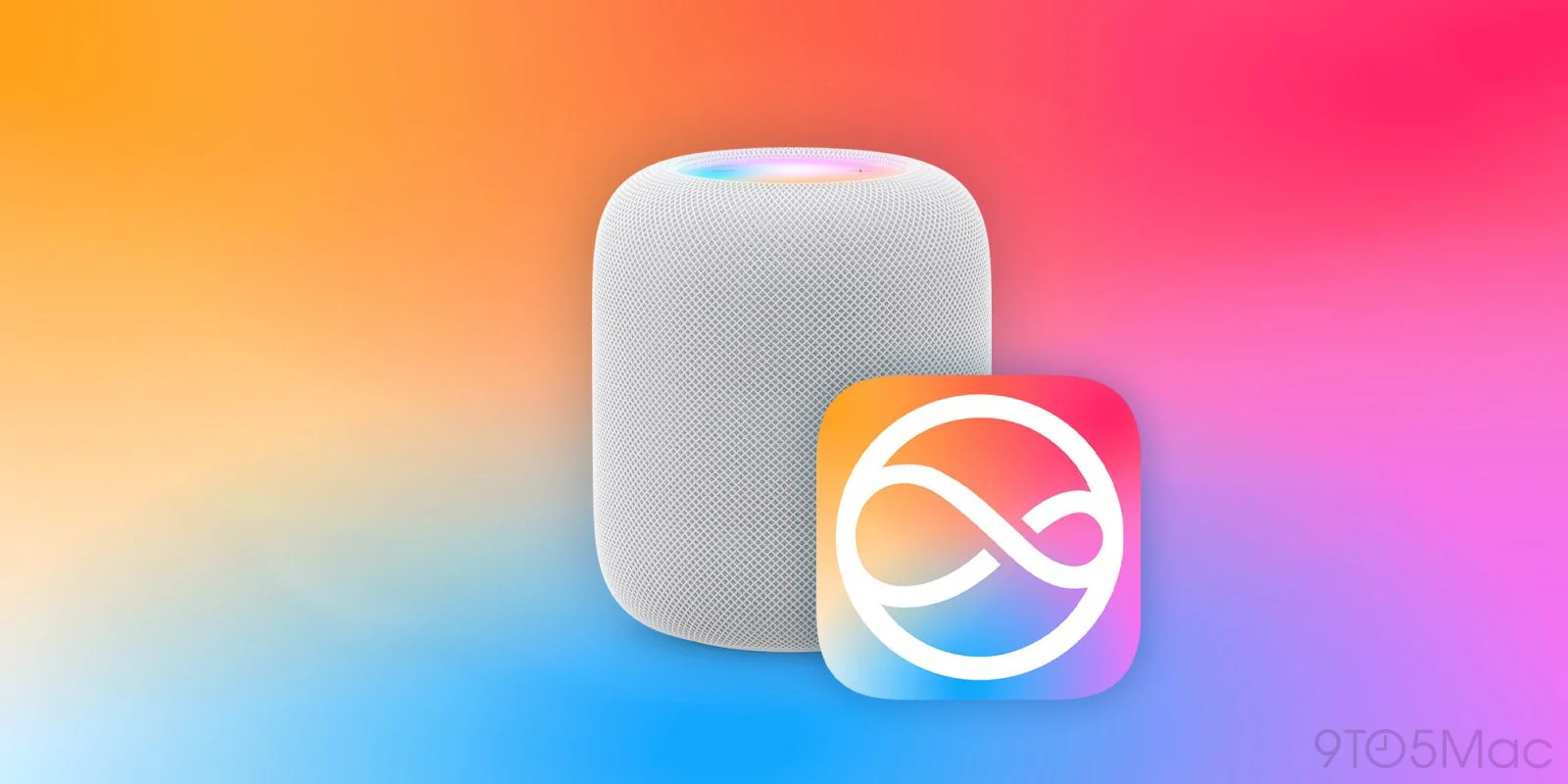
Apple's smart home lineup, centering around the HomePod mini and Apple TV, is gearing up for significant updates. With these devices now several years old, the timing couldn't be better for what’s next. As competition in the smart home market heats up with players like Amazon and Google constantly innovating, Apple faces the pressing need to revitalize its position. The Apple ecosystem has long been anchored by seamless integration across its devices, but consumers increasingly expect more from their smart home experiences.
Several reports indicate that the holdup for new hardware has been Siri’s capabilities. Users have been vocal about Siri’s limitations compared to competitors. With advancements in Siri AI now available, Apple appears poised to unveil updated versions of its key home products shortly. The implications of these updates could extend beyond hardware; they may reestablish Siri as a formidable presence in voice assistant technology.
Imminent Releases
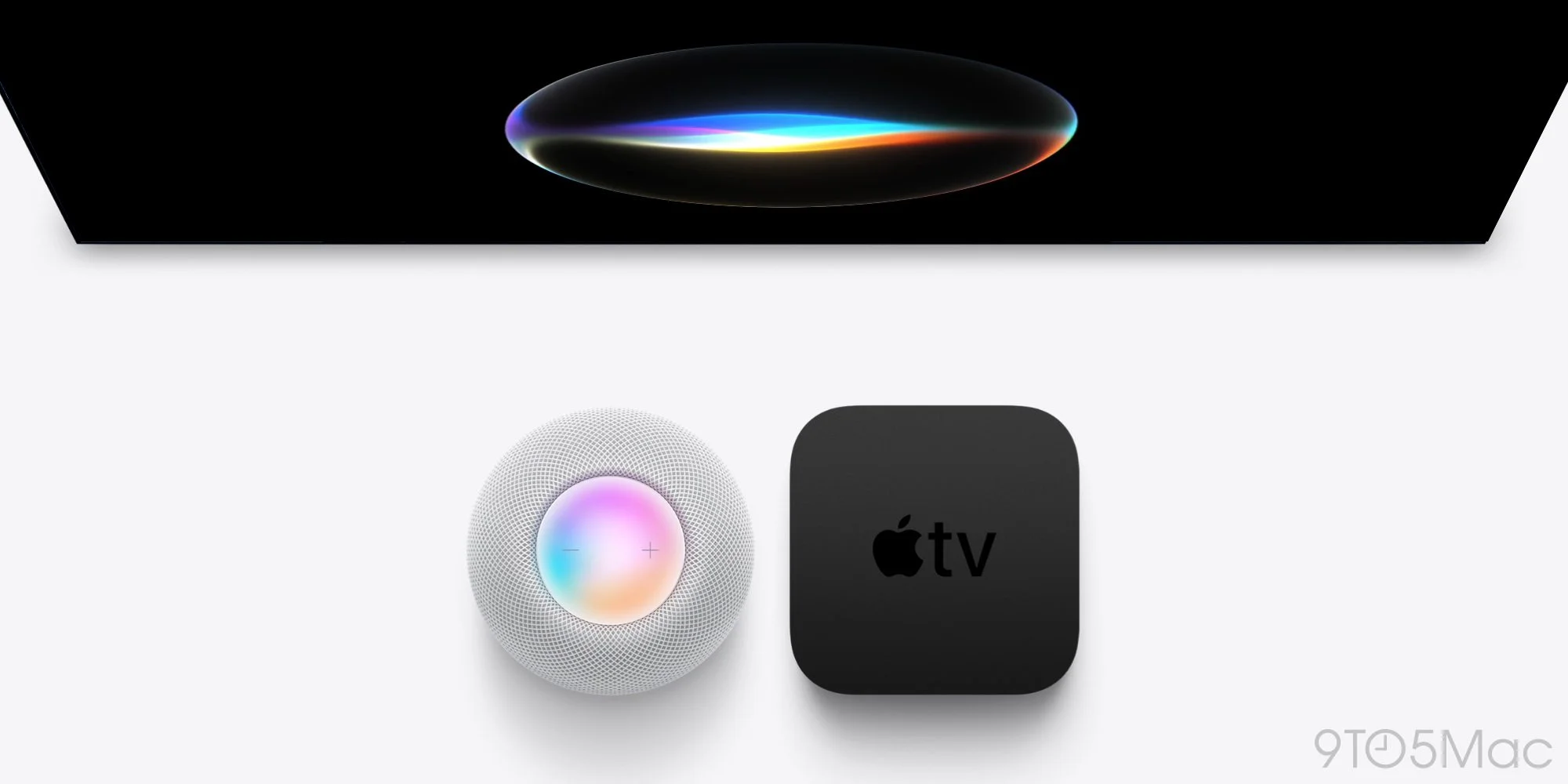
Updates to the HomePod mini and Apple TV 4K are reportedly on the way, likely to debut in the coming months. The HomePod mini may see upgrades, particularly a transition from the S5 chip to the newer S9 chip, alongside potential new color options and improved audio technology. These enhancements might not drastically alter the product landscape, but they signal Apple’s commitment to keeping pace with advancements in audio and AI technology.
While the enhancements might be incremental, the integration of improved Siri AI into the HomePod mini could significantly boost its utility as a digital assistant. Just think about it: a smarter Siri could unlock more complex routines and interactions, making your smart home that much smarter. This means simplified control over connected devices, more accurate responses, and an overall elevated user experience.
On the Apple TV 4K front, reports suggest a shift from the A15 Bionic chip to the A17 Pro. At first glance, this upgrade may seem underwhelming given the chip's existing age, but it’s essential for enhancing Siri capabilities and enabling Apple Intelligence features to function locally. This kind of local processing could lead to faster response times and a more fluid user experience. Anticipate a new design for the remote as well, aiming to offer a more intuitive interface for users navigating their streaming content.
Currently, the HomePod mini is priced at $129, while the Apple TV 4K starts at $199, maintaining the pricing set earlier this year. These prices should remain consistent with the upcoming releases, ensuring that Apple maintains its competitive edge without alienating its customer base. But whether the incremental updates justify the price point remains a question consumers will need to consider carefully.
Coming Soon
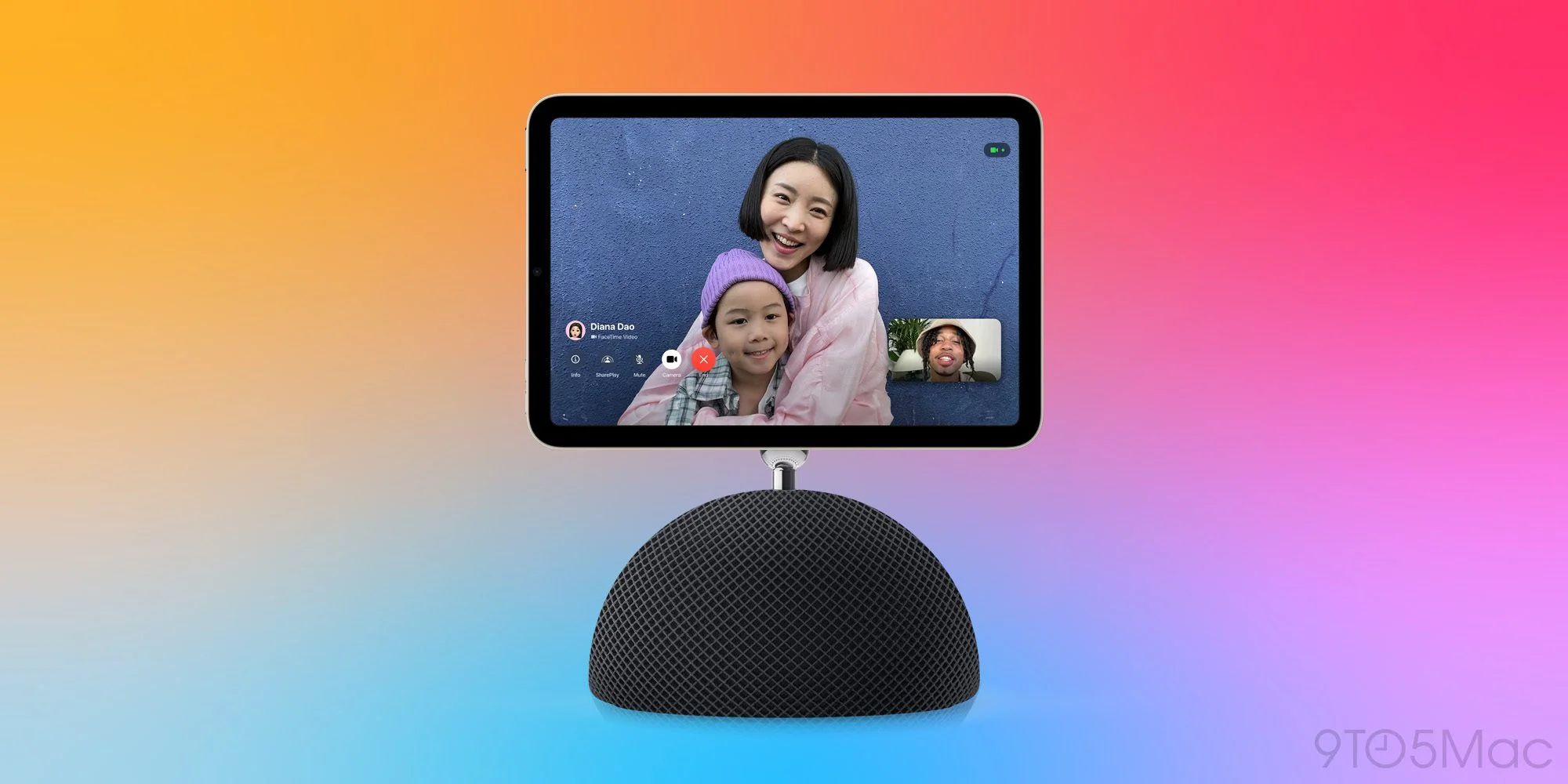
In addition to updates to existing products, Apple is reportedly working on its first smart home hub. This device is speculated to arrive between late October and early next year, perhaps in tandem with the HomePod mini and Apple TV updates. Positioned as a versatile smart home interface, it will feature a 7-inch square display and run on a new operating system, informally dubbed homeOS. This is a significant step for Apple as it has previously left the smart home hub market relatively untouched. The hub is expected to enable FaceTime calls, allow for Siri AI interactions, and efficiently manage smart home devices, marking Apple's entry into a space already populated by established hardware.
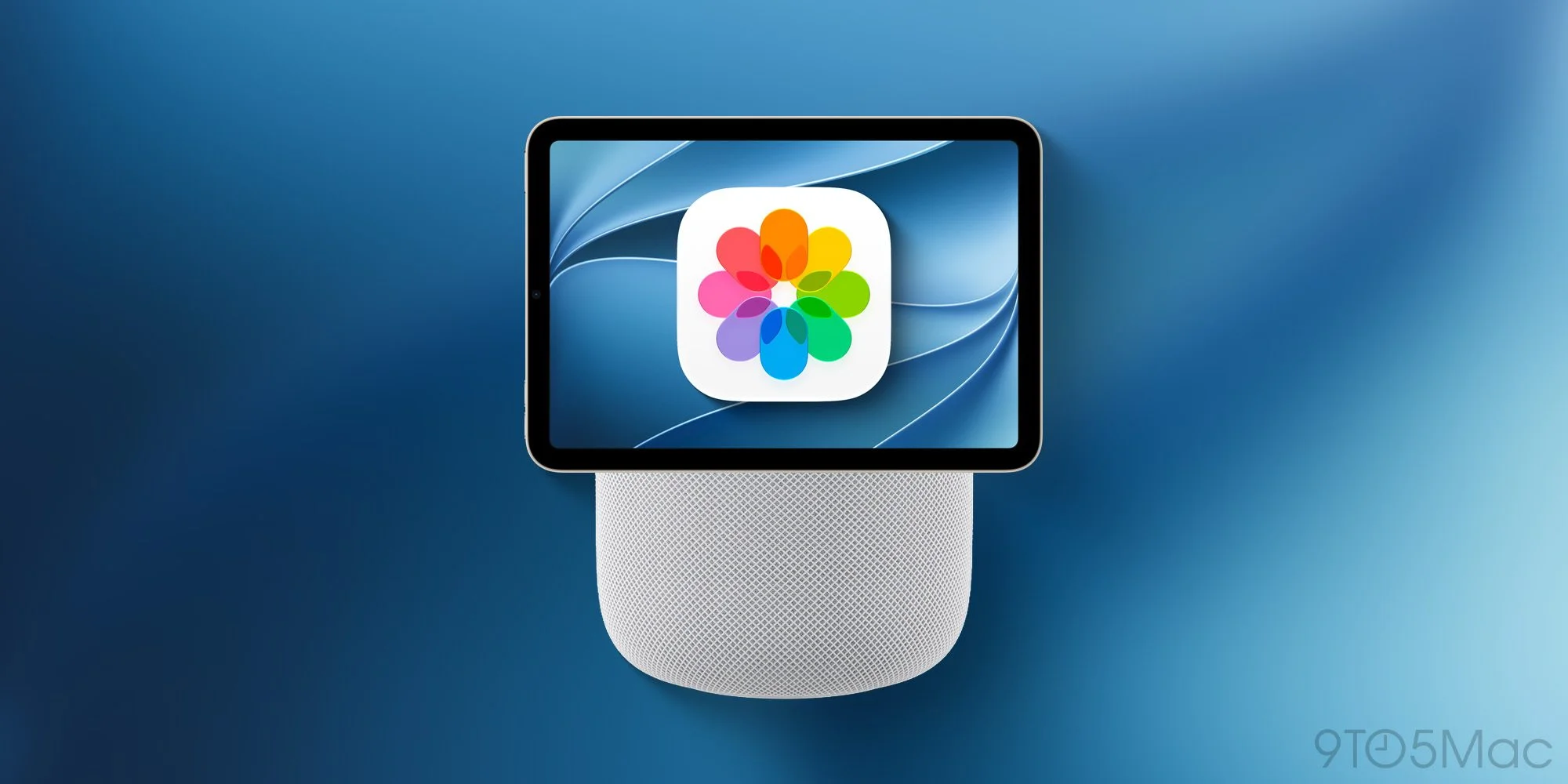
Reports suggest that this hub may come in two variants: one with a wall-mounted screen and another combined with a speaker base, resembling offerings from Google. This dual approach could appeal to a broad range of consumers — from those wanting a more traditional smart display to others looking for a multipurpose speaker unit. (And this is the part most people overlook) The market for smart home hubs is growing, but that means there's significant competition. Apple needs to ensure that its offering stands out, both in functionality and design.
An unreleased update to the full-size HomePod is also anticipated, although details on its timeline are scarce. Still in development, this model is expected to incorporate a new chip capable of supporting enhanced Siri functions. If executed well, it could revive interest in the original HomePod, which struggled to find its footing against cheaper alternatives.
Looking Ahead
Beyond the immediate updates scheduled for late 2026 or early 2027, Apple is reportedly planning to expand its product line to include smart home accessories. Two anticipated devices are a security camera and a smart doorbell, marking Apple’s entrance into the hardware side of home security. This move reflects a broader strategy to integrate more deeply into consumers’ daily lives, offering multiple points of interaction with Apple technology.
Eventually, the company is also expected to release a more advanced version of its smart home display. This iteration will feature a larger, 9-inch display and a robotic arm, potentially opening up new interaction possibilities. Such advancements could revolutionize user engagement, leading to more intuitive and dynamic interactions. If you're working in this space, this development could change consumer expectations about what a smart display can do.
Significance and Implications
Apple's proactive updates come at a time when home automation is rapidly growing. Each step Apple takes to enhance Siri or introduce new smart home devices is a move to reassert its role in a competitive market. How well these products perform could either pave the way for Apple's dominance or expose weaknesses in its strategy to compete against established players. It's a balancing act; customers expect more than just functionality. They also seek design, ease of use, and integration.
If Apple successfully enhances its smart home offerings, it could not only retain existing customers but attract new ones who are searching for a cohesive smart home experience. But this rollout also sets the stage for how Apple might approach emerging technologies and consumer needs in the future. As the digital assistant field continues to evolve, Apple's strategies will likely face increasing scrutiny, especially if competitors make significant advancements. This ongoing tension defines the tech industry: push an innovation, face a backlash, adapt, and push again.
Discussion
Sign in to join the discussion.