The Pixel 11 base model won't feature "HiLight" and will maintain 12GB of RAM, defying earlier expectations about its specifications.
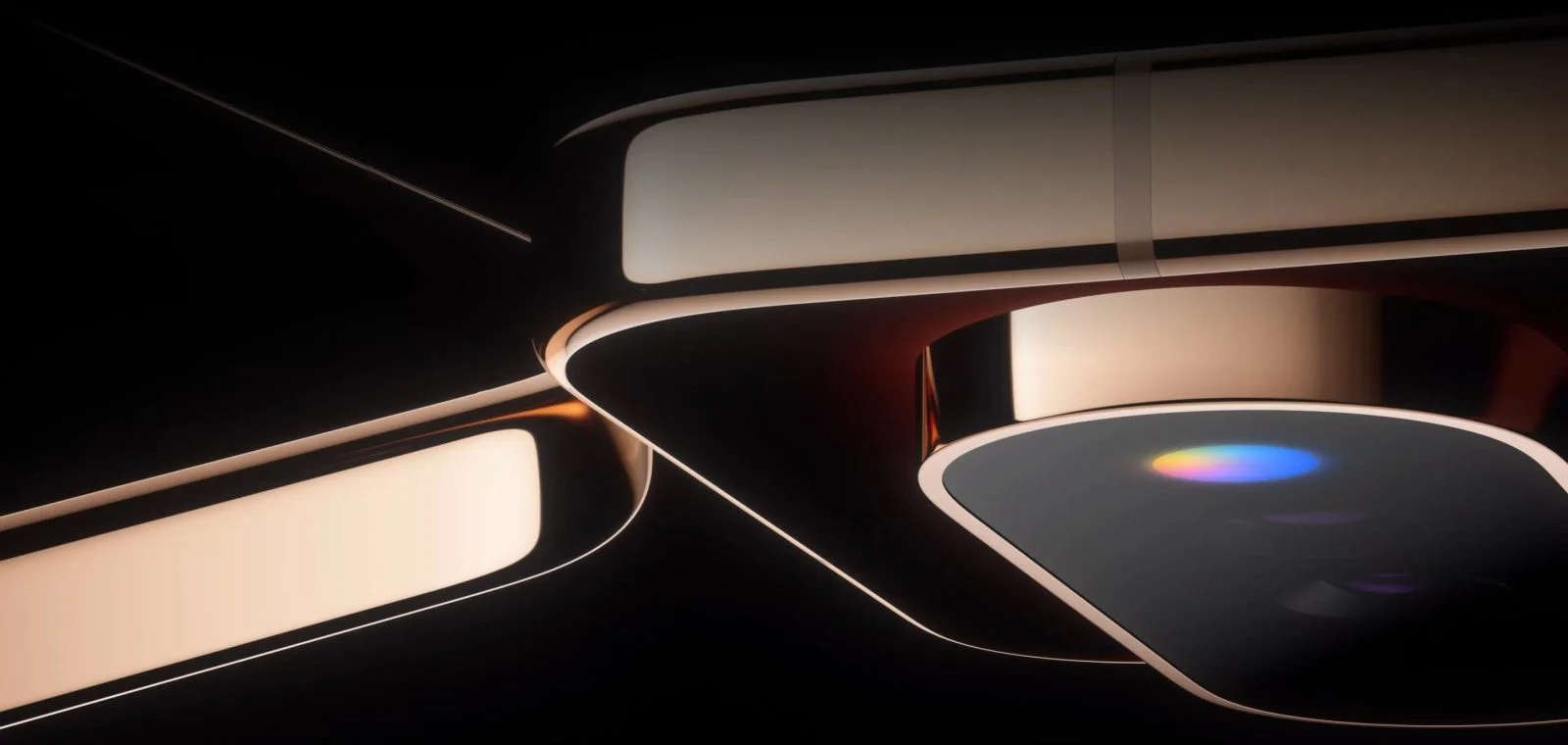
With the Pixel 11 launch event imminent, fresh insights are emerging about the specifications of Google's latest smartphone. One significant clarification is related to the anticipated "HiLight" feature, which had generated buzz under the name "Pixel Glow." It appears that this rear-facing LED will only be available on the Pro variants, restricting access for users of the base model. In an era where smartphone differentiation often hinges on exclusive features, this decision may alienate some potential customers who opt for the standard version.
Feature Exclusivity: A Double-Edged Sword
A leak from @evowizz on Twitter/X confirms that the standard Pixel 11 won't include the HiLight feature, reinforcing the idea that this function is tethered exclusively to the higher-end options. Those hoping to embrace this feature in the more budget-friendly version might be disappointed. Why would Google choose to lock this feature behind a higher price point? It’s likely a strategy to position the Pro variants as the premium choices in a competitive market. If you’re working in this space, think about the implications for consumer loyalty. By making certain features exclusive to the Pro model, Google may be attempting to drive users towards that higher price tier. But will this come at the cost of broader market appeal?
Memory Makeover: Maintaining Standards
On another note, the memory configuration for the base Pixel 11 has raised eyebrows among tech enthusiasts. Contrary to earlier rumors suggesting a downscale to 8GB of RAM, Google's entry-level model will indeed retain 12GB across all units. This is especially striking given the company's strong emphasis on memory-intensive AI capabilities, which typically demand higher RAM. Google's insistence on providing 12GB, even in the base model, hints at a more nuanced understanding of consumer expectations. Users are increasingly looking for devices that can handle multitasking without faltering, especially as apps and system demands continue to grow.
Interestingly, the more premium Pixel 11 Pro seems set to offer only 16GB of RAM at its higher storage tiers, placing the base model on equal footing in terms of memory. This choice signals Google's desire to maintain performance standards even in its most accessible model. In the competitive arena of smartphones, offering solid specifications across the board can serve as a compelling selling point. After all, why should consumers have to compromise on performance just because they opt for a less expensive model? This decision could also be seen as a nod to the way consumers are evolving in their smartphone usage—demanding more power regardless of the price point.
Camera Innovation: A Familiar Face
Moreover, there's been mention of a 10.8MP telephoto camera sensor, unchanged from last year's Pixel 10. While this could be seen as a lack of innovation in that specific area, it remains to be seen whether the overall camera system will receive any updates beyond the sensor specification. Camera performance is usually a key battleground for smartphone manufacturers, and sticking with the same sensor can sometimes suggest a lack of ambition. Yet, Google has a reputation for leveraging software innovations to enhance camera capabilities. So even if the hardware feels stale, the software might deliver improvements that keep up with—or even outshine—competitors. (and this is the part most people overlook)
Anticipating the Unveiling: Expectations and Insights
The Pixel 11 series is officially set to launch later this week, creating anticipation for additional features and upgrades that might accompany these pixelated devices. As the unveiling approaches, tech enthusiasts will be closely analyzing how these hardware choices impact the overall user experience. The balance between pricing, performance, and additional features will be critical. If previous launches are any indication, Google will not only highlight hardware specifications but also the way in which these specs translate into user benefits—particularly in areas like software integration and camera capabilities.
Implications for Google and the Market
As we look towards the future, the decisions made with the Pixel 11 launch may indicate Google's strategic direction in the smartphone market. The choice to limit certain features to higher-end models could solidify Google's branding of the Pixel series as a premium option, while also cultivating a sense of exclusivity around those features. However, the question remains: will this strategy alienate budget-conscious consumers? The gap between the base model and its Pro counterpart might foster comparisons to competitors offering more inclusive feature sets at lower price points. With the Android market saturated with options, Google's ability to maintain its foothold may very well hinge on balancing feature accessibility with its pricing strategy. The excitement surrounding the actual launch will reveal whether the anticipations based on leaks translate to solid consumer interest and excitement.
Discussion
Sign in to join the discussion.