The Galaxy Z Fold 8 impresses with its durability despite a wider design, but Qi charging placement raises functional concerns.
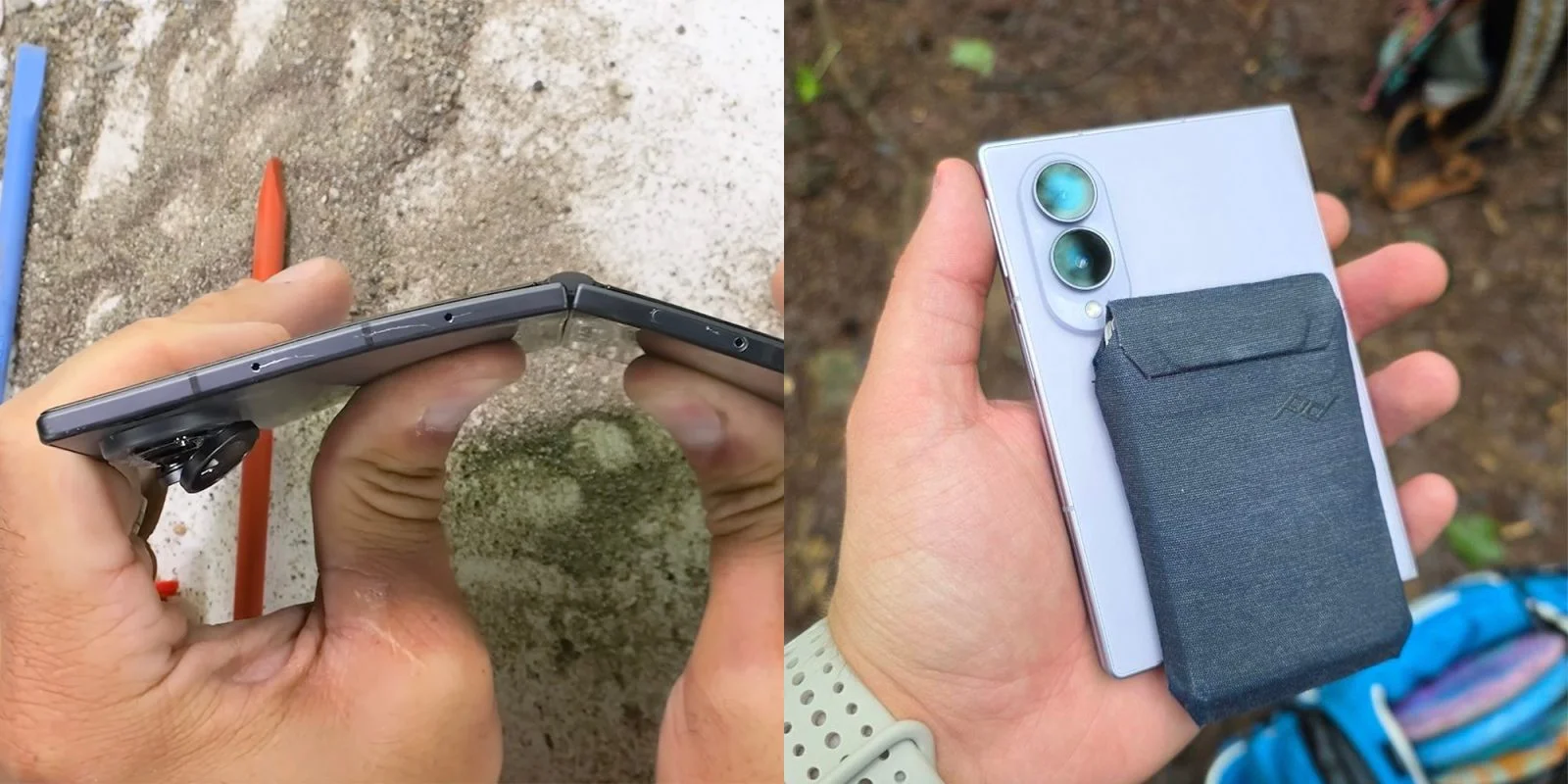
Samsung's Galaxy Z Fold 8 continues to impress when it comes to durability, a vital factor for foldable devices. In a recent durability test conducted by YouTuber JerryRigEverything, the phone demonstrated resilience despite its wider shape, with the hinge and frame remaining intact under significant pressure. This performance is especially important, as the market for foldable phones grows, and consumers increasingly demand devices that can withstand the rigors of everyday life.
The specific tests included standard scratch and bend assessments. While the outer screen endured scratches typically seen on glass devices, the inner display still suffered from various impacts, highlighting the ongoing challenge of protecting foldable screens. This isn't just a Samsung issue. Many foldable screens face similar challenges, making it crucial for manufacturers to strike a balance between display quality and durability.
Development Insights
A teardown further showcases Samsung's choice of materials, particularly the use of titanium to reinforce the structure and improve the appearance of the inner display. Titanium is known for its strength-to-weight ratio, and its application in the Galaxy Z Fold 8 could allow for a more resilient device without increasing bulk. However, the plastic covering on the folding display assembly remains vulnerable to damage. This choice reflects the balance between enhancing sturdiness and managing weight. It's a tough decision; while some consumers favor a lighter phone, others are willing to add a few grams for better durability. You can also see how manufacturers are navigating these preferences.
Qi Charging: A Design Flaw?
Another noteworthy observation involves the placement of the Qi charging ring. Unlike its competitors, the Galaxy Z Fold 8 lacks Qi2 magnets, which limits compatibility with certain accessories. The low positioning of the charging ring suggests that any magnetic accessories would likely slide off, a design oversight that could frustrate users who rely on such attachments for convenience. If you're working in this space, you understand how small design flaws can lead to significant setbacks in user satisfaction.
This limitation on accessory alignment is particularly notable since wireless chargers are transitioning to Qi2, leaving Samsung at a potential disadvantage. Devices that depend on magnets for stability, such as battery packs or wallets, could struggle with the existing build and layout. If you're accustomed to the stability and ease provided by magnets on other devices, you might find this design choice particularly disappointing. It's essential for Samsung to address these compatibility issues in future iterations if it wants to maintain its leadership in this market.
The Teardown Process
The rigorous teardown also revealed insights into the phone's battery technology. Despite Samsung's nod to silicon-carbon advancements, the batteries inside the Z Fold 8 are simply classified as lithium-ion, without any distinguishing features highlighted. So, what's the takeaway? This omission raises questions about how Samsung's newer technology integrates into its current product lines. While many manufacturers are pushing the boundaries of battery technology, Samsung seems to be sticking with tried-and-true lithium-ion, which could indicate a cautious approach or a reluctance to fully showcase its innovations.
In terms of cosmetic and functional design, the teardown's fiery demonstration of the titanium backplate illustrates the challenge of balancing elegance with strength. The result is a visually appealing device that still manages to be durable. The teardown's ending is rather conclusive, with the device rendered unusable, but it underscores key learning points for future iterations. One major lesson? Design decisions must account for real-world usage, as failure in these areas can lead to customer dissatisfaction.
While the Galaxy Z Fold 8 is now available for purchase, it stands as a testament to Samsung's continued exploration in the foldable market. The combination of a wider design and durability testing sets a new precedent, but it also brings forth essential discussions regarding user experience and accessory compatibility. Samsung has taken a step forward, but it's clear that consistency across all facets of the device's design and functionality is necessary for long-term success.
Future Implications of Galaxy Z Fold 8
The introduction of the Galaxy Z Fold 8 hints at what's next for Samsung and the foldable phone market. As these devices become more mainstream, manufacturers must prioritize not only innovative features but also considerations related to everyday usability. Consumers are learning to expect more from their foldables, and any shortcomings can quickly lead to frustration. The implications for Samsung's next products are clear: advancements in durability, accessory compatibility, and battery technology should be front and center.
What this means for you? If you’re in the market for a foldable phone, knowing these potential weaknesses might sway your decision. As competition heats up, companies like Samsung will have to continuously refine their offerings.
Discussion
Sign in to join the discussion.