Samsung's new FDA-approved feature for Galaxy Buds allows personalized sound amplification, enhancing daily audio experiences for users.
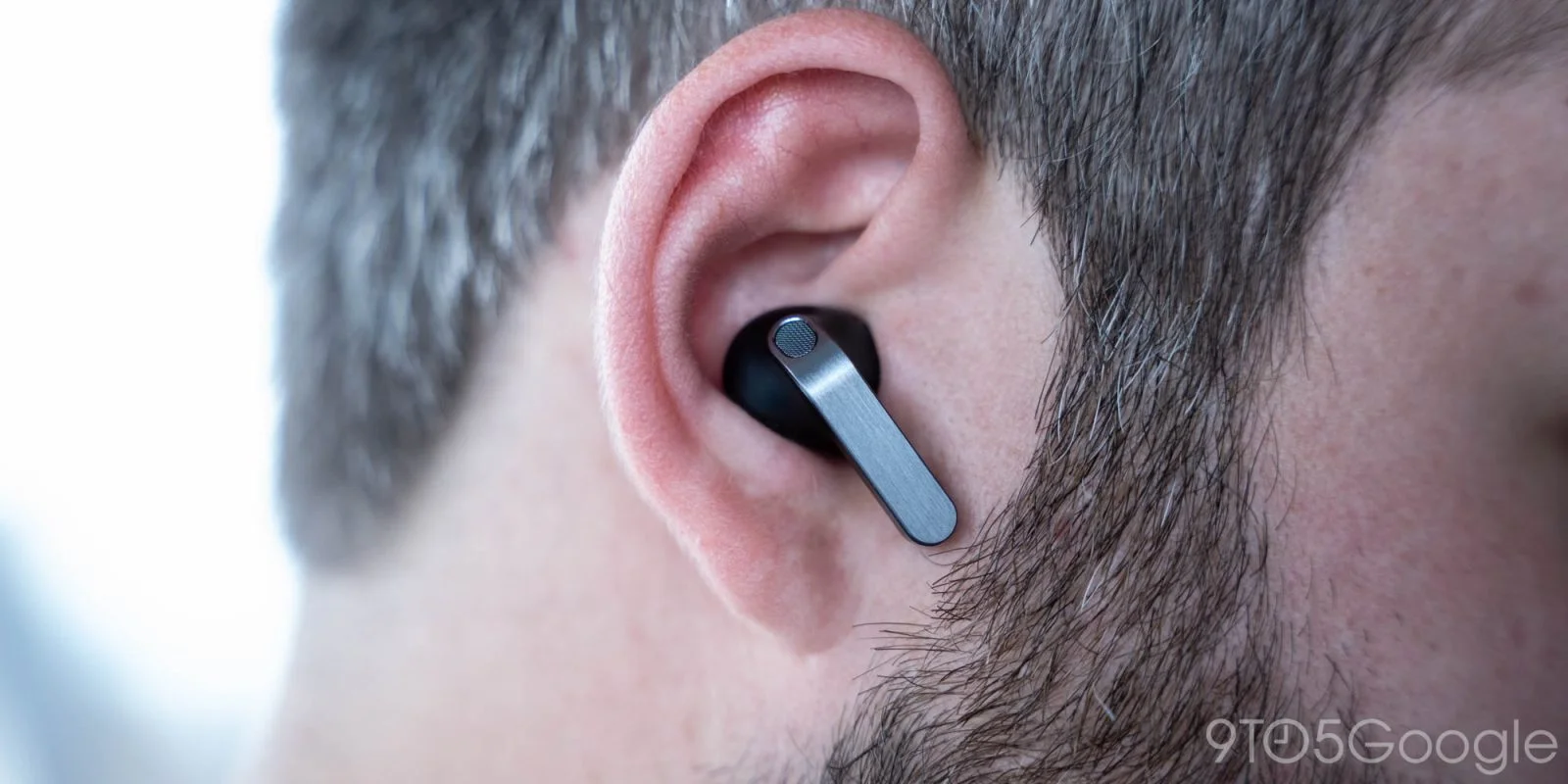
Samsung has earned FDA approval for a notable feature aimed at enhancing audio experiences on its Galaxy Buds. This breakthrough enables these earbuds to function as hearing aids, offering significant advantages to users in need of sound amplification.
Hearing Aid Functionality Expanded
This isn't just a gimmick; it marks a meaningful shift in how tech products intersect with healthcare. Traditionally, hearing aids have been specialized devices with a high price tag, accessible mainly to those who could afford them or find value in the intricate features they offer. Samsung's approach democratizes access to hearing assistance, providing a potential lifeline to those who may not seek conventional hearing aids due to cost or stigma associated with them.
The newly introduced features, labeled “Hearing Test” and “Hearing Aid,” provide users with the capability to assess their hearing ability and adjust sound accordingly. This self-administered hearing test can identify specific hearing challenges, allowing the Hearing Aid feature to tailor sound amplification to the individual's needs. In an age where we're constantly surrounded by technology, such an offering feels timely and necessary, allowing users to take charge of their hearing health. If you’re working in this space, the emphasis on user-centric design and personalization is essential.
Amplification and Personalization
Samsung outlines that the Hearing Aid feature amplifies frequencies that users struggle to hear, such as soft speech and distant sounds. This is particularly significant as many users—especially older adults—often have difficulty hearing these specific frequencies. By personalizing the amplification based on the results of the hearing test, Samsung underscores a practical application of AI and technology to enhance everyday life.
Moreover, this enhancement doesn't just stop at sound amplification. There's sophistication involved, with advanced features typically reserved for premium hearing aids, including noise reduction and beamforming. These capabilities allow users to concentrate on sounds directly in front of them while minimizing background disruptions. Personal experience often shows that too much background noise can be distracting, especially for those with hearing difficulties. And through this, Samsung is addressing a common pain point effectively.
Launch Timeline and Compatibility
This feature is set to roll out in Q4 2026 and will be compatible exclusively with the Galaxy Buds 3 Pro and Galaxy Buds 4 Pro. This rollout will initially target users in the US and select other approved markets. Samsung's strategy to limit this technology to recent models suggests a couple of things: they’re prioritizing the latest hardware capabilities necessary for effective sound management, and they want to ensure a smooth user experience right off the bat.
However, it also creates an immediate barrier for those who own older models. This exclusivity could lead to frustration among existing customers who might have expected their current devices to be upgraded with this functionality. Here’s the thing: creating a sense of urgency in an upgrade culture could swing either way for Samsung. It can invigorate sales of newer models or sour relationships with loyal users who feel left out.
Potential Implications and Future Outlook
By transforming earbuds into hearing aids, Samsung positions itself at the intersection of personal audio and health technology. The implications are big—this could spark a trend where other tech companies explore similar paths, viewing audio devices through a new lens of health personalization. It’s likely that competitors, like Apple or Google, might not be far behind in developing complementary or competing functionalities within their own product lines.
This is more significant than it looks. As the population ages and awareness around hearing health increases, mainstream companies entering this space could change public perception about what tools are appropriate for managing hearing loss.
And this is the part most people overlook: While Samsung’s initial offering targets the U.S. market, there's potential for significant implications in countries with lower access to healthcare technology. There's also a broader conversation about regulation and monitoring in consumer health devices that Samsung’s decision to pursue FDA approval suddenly brings to the forefront.
In summary, Samsung's incursion into hearing assistance through smart tech could redefine personal audio while also reshaping market expectations around health products. If they navigate this responsibly and gather user feedback effectively, this initiative could evolve from a mere product to a platform that promotes better auditory health. The future looks promising, but, as always, it'll depend on how well they execute and adapt.
Discussion
Sign in to join the discussion.