Google TV's Freeplay now boasts over 10,000 free on-demand titles, enhancing its appeal with significant additions to live and streaming content.
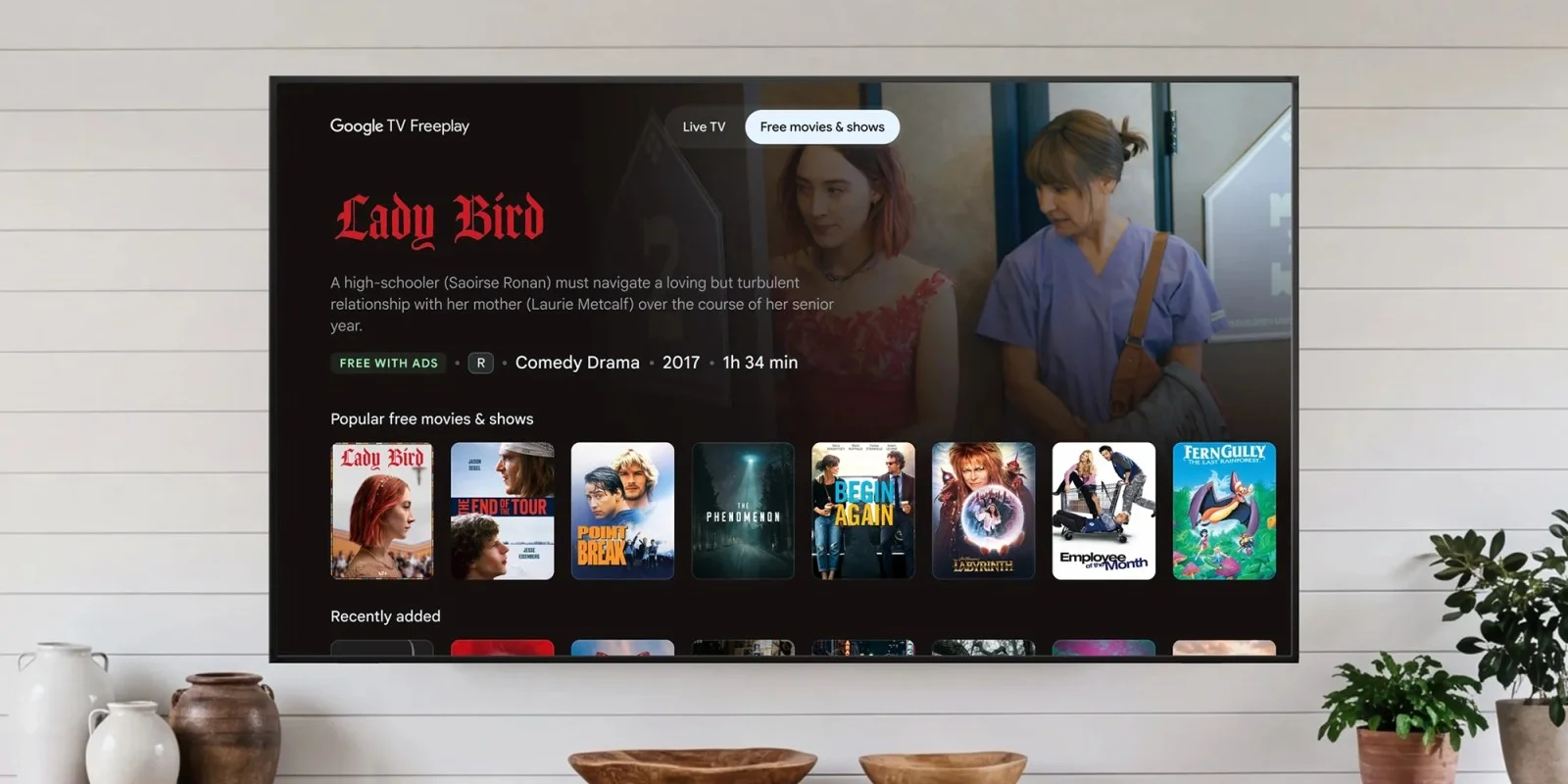
Google TV is ramping up its Freeplay service by adding more than 10,000 movies and TV shows available on-demand, expanding its app-free viewing options. This move comes at a pivotal time when competition in the streaming market is fiercer than ever, with viewers increasingly looking for accessible and affordable content. Google is clearly positioning itself to attract a broader audience by enhancing the user experience with the addition of this substantial library.
Understanding Freeplay's Functionalities
The Freeplay feature, integrated into all Google TVs in the United States, operates on a free, ad-supported model, catering to viewers with a broad array of streaming channels. While subscription-based services like Netflix and Disney+ dominate the market, ad-supported models are gaining traction. They provide a cost-effective way for users to access content without the upfront costs associated with subscriptions.
Its growth has been notable, having surpassed the 250 channel mark back in December 2025. This rapid expansion illustrates not just the demand for free content, but also Google's efforts to innovate within the streaming sphere. By adding over 300 channels as of this week, Google TV is stepping up its game in a crowded market where diversity and quality of content can make or break a service.
Freeplay is designed to attract casual viewers who may not want the commitment of a monthly subscription. They want the flexibility to watch what they want, when they want, without the hassle of additional fees. In that way, Freeplay might just give Google TV the edge it needs over competitors.
On-Demand Features: A Game Changer?
What's more significant is the introduction of on-demand options alongside the existing live TV. This particular shift is essential for Google TV’s strategy to keep pace with industry trends. Sources indicate that viewers often churn through their content libraries, seeking fresh experiences rather than static offerings. By integrating on-demand capabilities, Google TV is not merely responding to user preferences but anticipates them.
The partnerships with prominent names like A24 and Lionsgate are critical here. They allow Google to attract users with both popular hits and indie gems, effectively broadening its catalog to appeal to varied tastes. Movie enthusiasts often seek variety, and having well-known studios on board legitimizes Google TV as a serious player in this crowded field. This update allows users to enjoy a variety of titles without the hassle of downloading extra apps. With fewer barriers to entry, Freeplay could become more enticing for potential viewers.
User Experience Enhancements
The Freeplay interface now includes tabs for both “Live TV” and “Free Movies & Shows,” designed to enhance the user experience significantly. User interface design is often the unsung hero of any successful digital service. If users can’t easily navigate through content, they won’t stay—it's as simple as that. Streamlined access to both live and on-demand options puts Google in a better position to keep users engaged.
(And this is the part most people overlook). The success of a TV platform often hinges on how intuitively users can discover content. By using familiar layouts and categories, Google TV is betting that maintaining a clean, user-friendly interface will lead to better retention. Users won't just find what they're looking for; they'll come back for more.
This rollout of expanded content begins immediately, providing users quick access to thousands of titles at no additional cost. This approach is attractive—who doesn't want a buffet of options for free? However, one has to question whether it can sustain itself in a way that satisfies stakeholders, especially advertisers.
The Competitive Landscape
When you look at what’s happening in the streaming industry, Google TV is far from alone. Services like Roku, Tubi, and Pluto TV also offer free, ad-supported options. While Google has the backing of its extensive ecosystem, competing in terms of content can be a slippery slope. Viewer loyalty can fluctuate based on content offerings and ad experiences. Thus, Google must tread carefully.
The rise of ad-supported streaming isn’t merely a trend; it reflects changing viewer habits. People are looking for alternatives that don’t break the bank yet still offer quality entertainment. Google’s strategy might seem solid now, but it requires constant updates and fresh content to remain relevant. If you’re working in this space, these developments are a reminder that the competition is not going anywhere anytime soon.
Future Outlook: What Lies Ahead?
There's no denying that Google's expansion of Freeplay has immediate appeal, but what’s the longer-term vision? Streaming services frequently grapple with retaining viewers amid a wealth of choices. Sustaining user interest beyond the initial attraction of free options will be paramount. The challenge for Google lies in turning casual users into loyal subscribers—or at least keeping them engaged enough that they don't jump ship to competitors.
What this means for you, as a potential viewer or industry insider, is that sustaining quality content is going to be critical. The ad-supported model has its perils; poor ad placements can ruin the viewing experience. The balance between content and advertising is delicate and will determine Freeplay’s success moving forward. As Google looks ahead, both the content and the experience will need continuous refinement to keep pace with viewer expectations.
Discussion
Sign in to join the discussion.